
Stay In The Stand Longer: Quality Blind Heaters Turn Freezing Sits Into Full-Day Hunts
A quality blind heater solves the single biggest reason hunters climb down early: they get cold before the deer move. Late-season rut activity and cold-front movement often happen in exactly the conditions that drive hunters out of the woods by mid-morning. A propane radiant heater warms the air around you fast. An electric cabinet heater runs silent and steady where power is available. A kerosene heater delivers hours of heat with zero cords. A poor heater is either too weak to matter or too risky to run safely in an enclosed blind. A good heater keeps you comfortable, alert, and in position when a cold-weather buck finally decides to move.

In this comprehensive guide, we evaluate six of the best deer blind heaters available in 2026 — propane radiant heaters, propane cabinet heaters, an electric infrared/PTC heater, a 360-degree tank-top heater, and a cordless kerosene heater. We compared BTU output, coverage area, fuel type, safety features like tip-over shutoff and oxygen depletion sensors, noise level, and real-world performance in enclosed ground blinds and box blinds. Cold-weather hunts often line up with the best time to hunt deer, so staying warm enough to actually sit through those windows matters as much as any other piece of gear on this list. If you’re new to cold-weather sits altogether, a good deer hunting book can round out the fundamentals a heater alone won’t teach you.
⚠ Important Safety Note
Fuel-burning heaters (propane and kerosene) produce carbon monoxide and consume oxygen. Only use heaters rated for indoor or enclosed-space use, always ensure adequate ventilation in a blind, and never fall asleep with a fuel-burning heater running. Look for an Oxygen Depletion Sensor (ODS) and automatic tip-over shutoff on any heater used inside an enclosed blind, and follow the manufacturer’s instructions exactly.
🔥 6 Best Deer Blind Heaters – Quick Overview
Browse all 6 options below. Click “See Details” for comprehensive review and buying guide.
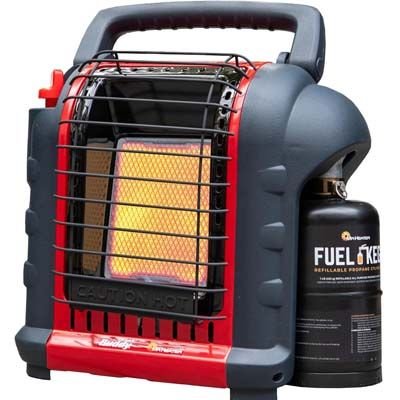
1. Mr. Heater 9,000 BTU Portable Buddy Radiant Propane Heater
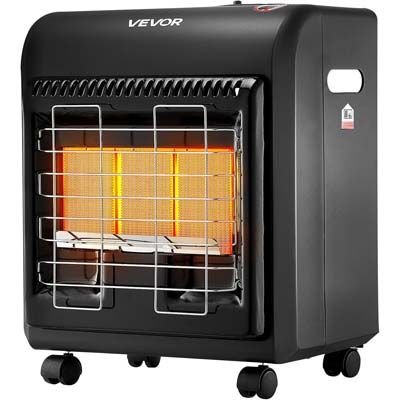
2. VEVOR Propane Cabinet Heater — 6,000 to 18,000 BTU
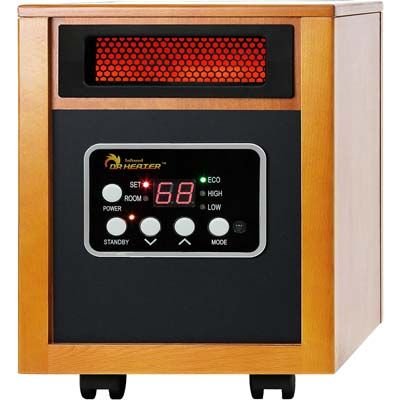
3. Dr Infrared Heater DR-968 Portable Space Heater, 1500W
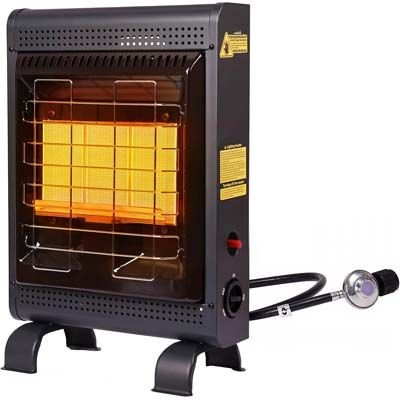
4. Ruasveltan 18,000 BTU Propane Heater Indoor/Outdoor
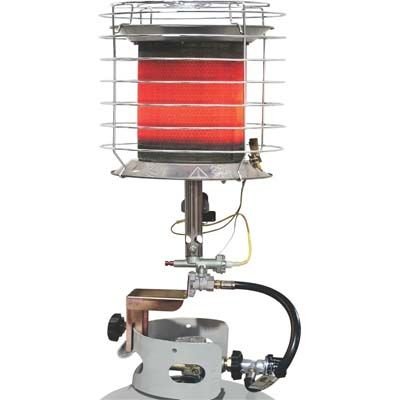
5. Dura Heat TT-360 Propane 360° Tank Top Heater
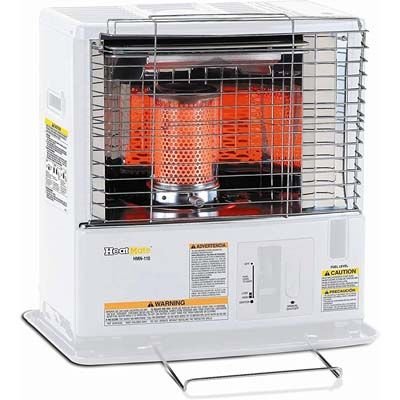
6. Sengoku HeatMate Portable Kerosene Heater, 10,000 BTU
⚖️ Quick Comparison: All 6 at a Glance
| Heater | Fuel Type | Output | Coverage | Special Feature | Best For |
|---|---|---|---|---|---|
| Mr. Heater Portable Buddy | Propane | 9,000 BTU | ~225 sq ft | ODS + Tip-Over Shutoff | Enclosed Blinds |
| VEVOR Cabinet Heater | Propane | 6,000–18,000 BTU | 450 sq ft | 3 Temp Modes | Large Box Blinds |
| Dr Infrared DR-968 | Electric | 1500W | Large Rooms | Remote + Timer | Powered Blinds |
| Ruasveltan 18000 BTU | Propane | 18,000 BTU | 450 sq ft | Hose & Regulator Included | Workshops/Garages/Blinds |
| Dura Heat TT-360 | Propane | Tank-Dependent | Open Area | 360° Heat Pattern | Open Box Blinds |
| Sengoku HeatMate | Kerosene | 10,000 BTU | ~380 sq ft | Cordless Operation | Remote Blinds |
📋 Detailed Product Reviews: Full Breakdowns
1. Mr. Heater Portable Buddy — Best Overall
★ Key Features & Benefits
- Adjustable Output: Dial between roughly 4,000 and 9,000 BTU depending on blind size and outside temperature.
- Indoor-Safe Design: Built specifically with the safety features needed to run in enclosed spaces like blinds and tents.
- Auto Low-Oxygen Shutoff: Senses depleted oxygen levels in an enclosed space and shuts off automatically.
- Tip-Over Safety Shutoff: Cuts fuel flow instantly if the heater is knocked over.
- Simple Fuel Setup: Runs on a small 1lb propane cylinder, or connects to a larger tank with an optional hose kit for longer sits.
✔ Pros
- Proven, widely trusted safety record
- Compact and easy to carry
- Adjustable BTU output
- Simple 1lb cylinder setup
- Auto shutoff safety features
❌ Cons
- Limited coverage for larger blinds
- 1lb cylinders run out faster than a hose-fed tank
- Still requires ventilation despite safety features
Mr. Heater Portable Buddy — The Trusted Standard
This is the heater most hunters default to for a reason — it’s compact, proven, and built with the exact safety features an enclosed blind requires. Add it to your deer hunting gear checklist ahead of late-season sits, and pair it with a spare 1lb cylinder so a dying tank never cuts a promising cold-weather hunt short. Staying warm also means steadier hands when it counts — worth double-checking your rifle scope for deer hunting is dialed in before the cold sets in.
2. VEVOR Propane Cabinet Heater — Best High Output
★ Key Features & Benefits
- Wide BTU Range: Scales from 6,000 BTU for mild days up to 18,000 BTU for serious cold snaps.
- Three Temp Settings: Choose the right output level rather than running full blast or off with nothing in between.
- Large Coverage Area: Rated to heat up to 450 square feet, well beyond what most ground blinds require.
- Tip-Over Protection: Automatically shuts off fuel flow if the unit is knocked over.
- Versatile Use Cases: Doubles as a garage, patio, or camping heater outside of hunting season.
✔ Pros
- Wide, adjustable BTU range
- Large coverage area
- Multi-season versatility
- Tip-over safety protection
- Good value for the output
❌ Cons
- Bulkier than a compact radiant heater
- Overkill for small ground blinds
- Higher fuel consumption at max output
VEVOR Cabinet Heater — Built For Bigger Spaces
Not every blind is a tight one-person box. For larger shooting houses or shared blinds, the VEVOR’s higher BTU ceiling and 450-square-foot rating deliver enough heat to actually make a difference. Scout your blind location and size needs first — a quick pass through how to scout deer like a pro helps confirm the blind placement before you invest in heating gear sized for it.
3. Dr Infrared Heater DR-968 — Best Electric
★ Key Features & Benefits
- Dual Heating Elements: Combines quartz infrared and PTC heating for both fast warm-up and sustained output.
- Zero Combustion Emissions: No propane or kerosene means no carbon monoxide risk in an enclosed blind.
- Remote and Timer Control: Set a schedule or adjust temperature without leaving your seat.
- Quiet Operation: Runs significantly quieter than fuel-burning heaters, reducing noise near a shooting lane.
- Large-Room Rated: Capable of heating spaces well beyond the size of a typical hunting blind.
✔ Pros
- No combustion or CO risk
- Very quiet operation
- Remote and timer convenience
- Strong heating output
- Safe for fully enclosed spaces
❌ Cons
- Requires access to electrical power
- Not portable for mobile or remote blinds
- Bulkier cabinet design
Dr Infrared DR-968 — Silent, Safe, Set-and-Forget
For a permanent box blind with power already run to it, an electric heater removes the safety considerations that come with any fuel-burning option entirely. The quiet operation is a genuine advantage too — you’re not fighting heater noise while listening for movement near a deer attractant site or feeding trail just outside.
4. Ruasveltan 18,000 BTU Propane Heater — Best Value High-BTU
★ Key Features & Benefits
- High Ceiling Output: Up to 18,000 BTU covers larger blinds and structures with room to spare.
- Complete Ready-to-Run Kit: Includes the gas regulator and hose needed to connect to a standard 20lb tank.
- Built-In ODS Safety: Oxygen depletion sensor shuts the unit down before oxygen levels become unsafe.
- Tip-Over Protection: Cuts gas flow automatically if knocked over on uneven blind flooring.
- Multi-Purpose Design: Rated for patios, garages, camping, and workshops beyond just hunting season.
✔ Pros
- Strong 18,000 BTU ceiling
- Complete kit included
- ODS and tip-over safety
- Useful year-round, not just hunting season
- Competitive value for the output
❌ Cons
- Larger footprint than compact radiant heaters
- Needs a full 20lb tank for extended runtime
- Less brand history than established names
Ruasveltan 18,000 BTU — A Practical Do-It-All Option
Buying a heater that only earns its keep during a few cold weeks of deer season is a hard sell for some hunters. The Ruasveltan’s rating for patios, garages, and workshops means it stays useful well beyond the best time to hunt deer, making it a more justifiable purchase for budget-conscious buyers. Staying warm and comfortable also means you can work one of the best deer calls patiently instead of rushing a sequence just to get back to the truck and warm up.
5. Dura Heat TT-360 — Best 360° Coverage
★ Key Features & Benefits
- True 360° Heat Pattern: Radiates heat evenly in all directions rather than a single focused beam.
- Direct Tank-Top Mounting: Sits directly on a standard 20lb propane tank, eliminating a separate cabinet housing.
- Compact Footprint: No bulky base or stand — the tank itself becomes the heater’s foundation.
- Simple Operation: Straightforward controls without multiple settings to fumble with in the dark.
- Good for Shared Blinds: Even heat dispersion benefits multiple hunters seated around the unit.
✔ Pros
- Even 360-degree heat coverage
- Compact, tank-mounted design
- Good for multi-person blinds
- Simple, low-fuss operation
- Long runtime on a full 20lb tank
❌ Cons
- Requires a full-size propane tank, adding bulk
- Less directional control than a focused radiant heater
- Best suited to larger, more open blinds
Dura Heat TT-360 — Heat That Reaches Every Corner
A single-direction radiant heater can leave one side of a larger blind noticeably colder than the other. The TT-360’s all-around heat pattern solves that unevenness, which matters more in bigger box blinds or setups where you’re sharing space with a hunting partner watching a different shot lane.
6. Sengoku HeatMate — Best Cordless
★ Key Features & Benefits
- Fully Cordless Operation: No batteries, cords, or electrical hookup required — just kerosene fuel.
- Strong 10,000 BTU Output: Delivers serious heat for its size, well-suited to enclosed ground blinds.
- Extended Runtime: A full fuel tank provides hours of sustained heat for long, cold sits.
- Portable Handle Design: Built to carry into remote locations without a vehicle nearby.
- No Propane Dependency: An alternative fuel option for hunters who prefer kerosene availability over propane exchange.
✔ Pros
- No electricity or cords needed
- Strong heat output for the size
- Long fuel runtime
- Good for remote, walk-in blinds
- Alternative to propane-dependent setups
❌ Cons
- Kerosene has a distinct odor some hunters notice
- Requires ventilation like any fuel-burning heater
- Kerosene less universally available than propane
Sengoku HeatMate — Heat Without a Power Source
For blinds set well back from any road or vehicle, cordless heat that doesn’t depend on batteries or a generator is a real advantage. The HeatMate delivers enough output to matter on a genuinely cold sit, making it a solid companion for hunters chasing whitetail movement patterns deep into terrain other hunters won’t walk to.
🛒 How to Choose Your Deer Blind Heater
Fuel Type: Propane vs. Electric vs. Kerosene
Propane heaters are the most common and widely available, with fast setup and reliable output. Electric heaters eliminate combustion risk entirely but require a power source, limiting them to permanent blinds. Kerosene heaters offer strong output without any electrical dependency, useful for remote walk-in locations.
BTU Output vs. Blind Size
A small enclosed ground blind rarely needs more than 4,000–9,000 BTU. Larger box blinds or shared setups benefit from 15,000–18,000 BTU units. Oversizing wastes fuel and can overheat a tight space; undersizing leaves you cold on the coldest sits, which is exactly when you need the heater most.
Safety Features: ODS and Tip-Over Shutoff
Any fuel-burning heater used in an enclosed blind should have an Oxygen Depletion Sensor and automatic tip-over shutoff at minimum. These features aren’t optional extras — they’re the baseline for using a fuel heater safely in a small, enclosed space.
Portability vs. Permanent Setup
Compact radiant propane heaters and cordless kerosene units are built to carry in and out each hunt. Electric cabinet heaters and larger propane units work best in a fixed box blind where they can stay in place all season.
Noise Level Near Shooting Lanes
Fuel-burning heaters produce a faint hiss or fan noise; electric units, particularly infrared models, tend to run quieter. If your blind sits close to a trail or shooting lane where every sound matters, factor noise into the decision alongside heat output.
Ventilation and Carbon Monoxide Awareness
Every fuel-burning heater needs some airflow, even models rated for indoor/enclosed use. Crack a window or vent slightly, never fully seal a blind with a fuel heater running, and pair your setup with a deer hunting gear checklist that includes a portable CO detector for extra peace of mind.
❓ Frequently Asked Questions
1. Is it safe to run a propane heater inside an enclosed blind?
Only if the heater is specifically rated for indoor or enclosed-space use and includes an Oxygen Depletion Sensor and tip-over shutoff. Even then, always maintain some ventilation — never fully seal a blind while a fuel-burning heater is running.
2. How many BTUs do I need for a ground blind?
Most single-person ground blinds are comfortably heated with 4,000–9,000 BTU. Larger box blinds or shared setups typically need 12,000–18,000 BTU to notice a real difference in comfort.
3. Electric or propane — which is better for a hunting blind?
Electric heaters are safer with zero combustion risk but require a wired power source, limiting them to permanent blinds. Propane heaters are more portable and don’t need electricity, but require proper ventilation and safety features for enclosed use.
4. Will a heater’s scent or noise spook deer?
Propane and kerosene heaters produce some odor and a faint operating sound, which can be a consideration in very close-range setups. Electric heaters run quieter and produce no fuel odor, making them the lower-risk option for spooking nearby deer, provided the blind is properly enclosed.
5. Can I use a patio or garage heater in a deer blind?
Only if it’s explicitly rated for enclosed or indoor use. Many patio heaters are designed for open-air outdoor use only and lack the oxygen sensors needed for a sealed space — check the manufacturer’s rating before using any heater in a blind.
6. How long will a tank of propane or kerosene last during a sit?
A 1lb propane cylinder typically lasts a few hours on a compact radiant heater at moderate output. A full 20lb tank on a larger unit or a kerosene heater’s tank can provide many hours of sustained heat, making them better suited for full-day sits.
🔥 Final Thoughts: Stay Warm, Stay In The Stand
There’s no single “best” deer blind heater — there’s the best one for your blind setup and fuel preference. For a trusted, proven all-arounder, Mr. Heater’s Portable Buddy covers standard ground and box blinds safely. For larger spaces, VEVOR’s Propane Cabinet Heater scales up to 18,000 BTU. For a zero-emission option in a powered blind, Dr Infrared’s DR-968 runs silent and safe. For a versatile, multi-purpose pick, Ruasveltan’s 18,000 BTU heater earns its keep beyond hunting season. For even heat in bigger blinds, Dura Heat’s TT-360 disperses warmth in every direction. And for remote, power-free locations, Sengoku’s HeatMate delivers strong cordless heat.
Whichever you choose, prioritize the safety features over raw BTU numbers — an ODS, tip-over shutoff, and proper ventilation matter more than squeezing out an extra few thousand BTU. Stay warm, stay alert, and let a reliable heater keep you in position through the coldest, most productive hours of the season.
⚠️ Affiliate Disclosure: This page participates in Amazon Associates and other affiliate programs. We may earn a small commission if you purchase through our links, at no extra cost to you. Always follow manufacturer safety instructions and ensure proper ventilation when using any fuel-burning heater in an enclosed space. Explore our deer hunting gear checklist and tripod deer stand recommendations for a complete cold-weather setup.

Leave a Reply