
5 Best Turkey Calls for Hunting (2026): Box, Friction, Mouth, Shaker & Locator Compared
Turkey calling is about the right sound at the right moment. A gobbler that answers an owl hoot at first light needs a different call than a hen-shy tom hanging up at 40 yards. That is why even experienced hunters often carry more than one call.

This guide compares five popular options that each do a different job, so you can work out which of the best turkey calls fits your hunting style, skill level and budget. Instead of ranking them against each other, we explain what each call is best at and where it falls short. If you are still assembling your full setup, our turkey hunting gear checklist is a good companion to this guide.
How we compared these products: HuntsHunter has not field-tested these calls, and nothing here is based on personal testing. The comparison uses manufacturer and retailer descriptions, published product information, intended use, and practical considerations for turkey hunters. Sound quality and volume depend heavily on technique, so treat every performance claim as a manufacturer claim and check current listings before you buy.
🦃 Best Turkey Calls for Hunting at a Glance
| Category | Product | Why it stands out |
|---|---|---|
| Best Friction Call for Beginners | Primos PS224 Ol’ Betsy Friction Slate | Forgiving slate surface, soft yelps, clucks and purrs |
| Best Mouth Call for Raspy Calling | Woodhaven Red Wasp | Hands-free, 3-reed V-cut aimed at cutts and raspy yelps |
| Best Locator Call | Hootie Owl Turkey Locator Call | Barred owl hoots to find birds at first and last light |
| Best Shaker Call | Primos The Gobbler Shaker | Simple gobble call with a silencer cap |
| Best Box Call | Strut Commander Turkey Box Call | Dual-sided, hand built, listed as affordable |
We did not name a “Best Overall” call. These five do different jobs, and no single call covers locating, calling and finishing. Pick based on the role you need to fill first.
⚖️ Comparison Table
| Product | Type | Main sounds | Notes from listings | Best for |
|---|---|---|---|---|
| Primos PS224 | Friction (slate) | Yelps, cuts, clucks, purrs | Striker and conditioning pad included; listed as easy | Beginners, close-range finishing |
| Woodhaven Red Wasp | Diaphragm mouth call | Cutts, cackles, raspy yelps, clucks, purrs | 3-reed V-cut; hands-free | Hands-free, raspy calling |
| Hootie Owl Locator | Locator (owl) | Barred owl hoots | Early morning or evening use | Finding birds |
| Primos Gobbler Shaker | Shaker | Gobble | Silencer cap; one- or two-handed use | Challenging or locating toms |
| Strut Commander Box Call | Box call | Turkey vocalizations (check listing) | Dual-sided; hand built per title | Louder, easy-to-learn calling |
Specifications come from manufacturer and retailer listings. Models and materials change, so confirm details on the current product page.
🔥 Product Reviews: 5 Best Turkey Calls for Hunting
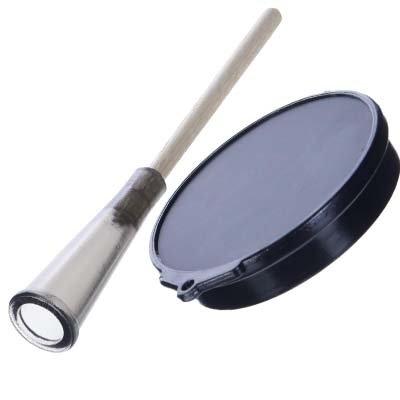
1. Primos PS224 Friction Slate — Best Friction Call for Beginners
★ Why Hunters May Like It
Friction calls are often the first call new hunters pick up, and Primos positions the Ol’ Betsy as its most forgiving friction call. The slate surface is described as producing soft yelps, clucks and purrs, which is what you want when a bird is already working toward you.
✔ Pros
- Described by the manufacturer as easy to use and forgiving
- Covers yelps, cuts, clucks and purrs
- Striker and conditioning pad included
- Works well as a soft, close-range finishing call
❌ Cons
- Needs two hands to operate
- Friction surfaces need upkeep, so follow the care instructions
- Not built as a long-distance locator
What to Consider Before Buying
A slate call rewards practice, and the surface needs conditioning as the maker describes. If you hunt with a bow or need your hands free, a mouth call may suit you better. If you plan to call hard from a distance, a box or shaker call is a better fit than a soft slate.
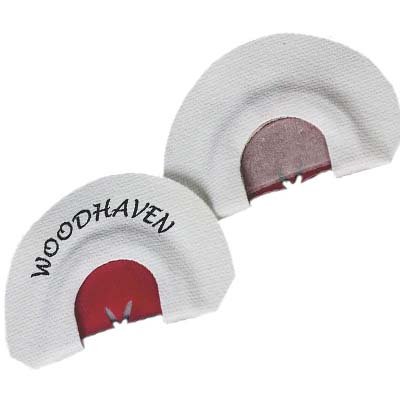
2. Woodhaven Red Wasp — Best Mouth Call for Raspy Calling
★ Why Hunters May Like It
Woodhaven describes the Red Wasp as a best seller in its mouth call line, built for sharp cutts and cackles as well as the raspy yelps of an older hen. Because it sits in your mouth, your hands stay free for a bow, gun or decoy, and you can call with very little movement.
✔ Pros
- Hands-free calling keeps movement low
- Three-reed V-cut aimed at raspy cutts and yelps
- Maker also lists soft clucks and purrs
- Compact and easy to carry
❌ Cons
- Mouth calls generally take more practice to master
- Not everyone finds diaphragm calls comfortable
- Reeds wear, so plan on spares
What to Consider Before Buying
Mouth calls have a learning curve, and the right fit depends on the shape of your palate. If you are brand new to calling, start with a friction call and add a mouth call once you are comfortable with cadence. Woodhaven also makes lighter and heavier variations, so check which tone you want.
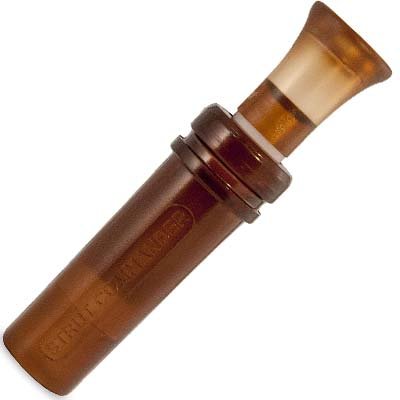
3. Hootie Owl Locator — Best Locator Call
★ Why Hunters May Like It
A locator call does not bring a turkey in. It helps you find one. Owl hoots at dawn or dusk can prompt a gobbler to sound off, which tells you where to set up. Strut Commander describes the Hootie as a barred owl locator for early morning or evening.
✔ Pros
- Purpose-built for locating birds before the hunt
- Simple to use, according to the maker
- Small and easy to carry
- A low-cost way to add a locating tool to your kit
❌ Cons
- Does not draw birds in on its own
- Sound quality varies by user technique
- Plastic call, so check the current listing for materials and build
What to Consider Before Buying
Think of this as a scouting tool rather than a calling tool. Technique matters, and not every bird responds to an owl hoot, so have a second locator option or be ready to listen quietly. Some hunters prefer to use their own voice for owl hoots.
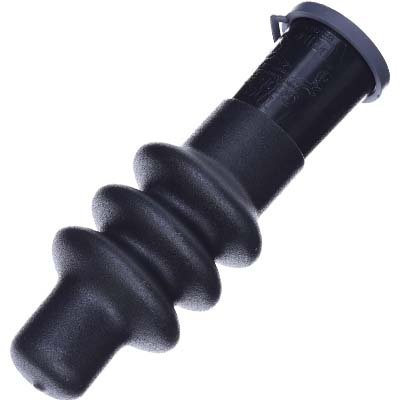
4. Primos The Gobbler Shaker — Best Shaker Call
★ Why Hunters May Like It
A gobble call is a different tool from a yelp call. Primos describes the Gobbler as a loud shaker call that anyone can pick up, with one-handed use for a jake gobble and two-handed use for a mature tom. It is listed as suited to challenging or locating gobblers.
✔ Pros
- Simple shaker mechanism with little learning curve
- One- or two-handed operation changes the gobble
- Silencer cap helps prevent accidental noise while walking
- Lifetime service warranty listed by retailers
❌ Cons
- Gobbling can draw competition or provoke a tom, so use it carefully
- Not a substitute for yelps and clucks
- Loud by design, so less useful for close, quiet calling
What to Consider Before Buying
Gobble calls are best used sparingly and with intent. Many hunters avoid them on public land because other hunters may be nearby, so think about safety and local pressure before using one. Pair it with a yelp call instead of relying on it alone.
5. Strut Commander Box Call — Best Box Call
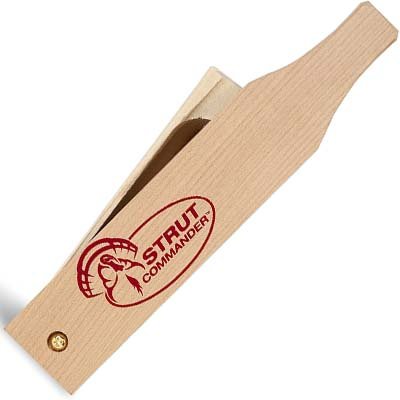
★ Why Hunters May Like It
Box calls are a classic turkey call because they are straightforward to run, and a dual-sided design gives you more than one tone from a single call. The listing positions this one as hand built and affordable, which suits hunters putting a first calling kit together.
✔ Pros
- Box calls are generally easy to learn
- Dual-sided design adds tonal variety
- Hand built, according to the listing
- Positioned as an affordable option
❌ Cons
- Larger and bulkier than most pocket calls
- Needs a free hand and can make noise if bumped
- Moisture can affect wood calls, so check the care guidance
What to Consider Before Buying
Box calls are comparatively bulky and can be noisy to handle in a blind or on the move, so store them carefully. Check the current listing for wood type, dimensions and care instructions before you buy, since the listing description is the main source we have for this model.
🔄 Turkey Call Types Compared
| Call type | How it works | Learning curve | Hands | Typical role |
|---|---|---|---|---|
| Friction (slate) | Striker drawn across a surface | Moderate | Two hands | Soft yelps, purrs, close calling |
| Diaphragm (mouth) | Reeds held against the palate | Generally steeper | Hands-free | Calling with little movement |
| Box call | Lid moved across a paddle box | Generally easier | One or two hands | Louder yelps and cuts |
| Shaker | Shaken to make a gobble | Easy | One or two hands | Challenging or locating toms |
| Locator (owl) | Imitates an owl or other bird | Technique dependent | Varies by call | Finding birds at first and last light |
The learning curves above are general guidance, not product claims. Individual results vary a lot with practice. Plan to practice cadence off-season, since realistic rhythm matters as much as which call you own.
🛒 What Should Turkey Hunters Look For in a Call?
Match the Call to the Job
Locating, calling and finishing are different tasks. A locator finds birds, a box or shaker adds volume, and a slate or mouth call handles soft, close-range work. Start with the job you need filled most.
Skill Level and Practice Time
Friction, box and shaker calls are generally easier for beginners than diaphragm calls. If you can practice before the season, a mouth call becomes much more useful.
Hands-Free vs. Hands-On
If you hunt with a bow or want minimal movement, a mouth call has a clear advantage. Slate, box and shaker calls all need at least one hand.
Volume and Hunting Pressure
Loud calls carry farther but can also draw attention from other hunters. On busy public land, think about who else might hear you before you call hard.
Weather and Care
Moisture and use can affect some call surfaces. Follow each manufacturer’s care instructions, and note that the Primos PS224 includes a conditioning pad.
Noise Discipline
Calls can make accidental noise in a pack or blind. Features like the Primos silencer cap exist for exactly this reason, so store calls carefully when moving.
Building a Kit, Not Buying One Call
Most hunters end up with a locator, a slate or box call, and a mouth call. Check that your first purchase fits a plan instead of buying five similar calls. For everything else you may need in the field, see our turkey hunting gear checklist.
Safety and Local Rules
Follow your state’s turkey regulations, including legal hunting hours, and use common hunter-education safety practices whenever you call.
🌅 Which Call Fits Which Situation?
First Light and Last Light Scouting
A locator such as the Hootie can help you find birds before you commit to a setup.
Close-Range Finishing
Soft yelps, clucks and purrs from a slate call like the Primos PS224 suit a bird that is already coming.
Hands-Free Calling
A mouth call like the Woodhaven Red Wasp lets you keep your hands on a bow, gun or decoy. If you hunt from a blind, see our guide to the best turkey hunting blinds.
Challenging a Tom
A shaker such as the Primos Gobbler can provoke a response, but use it carefully and consider the safety implications of gobbling on busy ground.
Open Country and Longer Distances
A box call like the Strut Commander is a common choice when you need more volume.
New Hunters Building a Kit
Start with a friction call and a locator, then add a mouth call as your skills improve.
Pairing Calls With Decoys
A call gets a bird’s attention, and a decoy setup can help hold it there. Read how to set up turkey decoys and a blind and browse our turkey decoys guide to plan your setup alongside your calls.
When the Bird Commits
Calling is only half of the hunt. Once a bird is in range, your pattern matters, so see our picks for the best turkey chokes and our explanation of which shotgun choke is best for hunting a large, slow bird such as a turkey.
⚠️ Turkey Calling Safety
- Follow your state’s turkey hunting regulations, including legal hunting hours and calling rules.
- Never stalk a turkey sound. Other hunters may be calling.
- Set up with your back against a solid tree or other cover, and stay aware of your surroundings.
- Be cautious with gobble calls on public or busy land.
- Follow the manufacturer’s care and use instructions for each call.
- Complete a hunter-education course if you are new to hunting.
❓ Frequently Asked Questions About Turkey Calls
What is the best turkey call for beginners?
A friction call such as the Primos PS224 or a box call is usually the easiest place to start, because the technique is more forgiving than a diaphragm mouth call.
What is the difference between slate, box and mouth calls?
Slate calls use a striker on a surface, box calls use a lid across a paddle box, and mouth calls use reeds in your mouth. They differ in volume, difficulty and whether your hands stay free.
Do I need more than one turkey call?
Often, yes. A locator, a slate or box call, and a mouth call cover different jobs. Starting with two calls and adding more is common.
What is a locator call and when do I use it?
A locator call imitates a bird such as an owl to prompt a gobbler to sound off. Hunters use them in early morning or evening to find where a bird is roosted.
Can I use a slate call in the rain?
Moisture can affect some call surfaces, and the right response depends on the call. Check the manufacturer’s guidance and carry a backup that suits wet weather.
How do I care for a slate call?
Follow the manufacturer’s instructions. The Primos PS224 ships with a conditioning pad, which suggests the surface should be conditioned as directed.
How loud should I call?
Start soft, match the bird’s response, and avoid calling louder than the situation needs. Volume is a tool, not a goal.
Is a gobble call a good idea?
It can provoke a response, but it can also attract other hunters. Use it carefully, and think about safety and local hunting pressure first.
Where can I learn more about turkey hunting?
Start with our turkey hunting book recommendations for deeper study, then use the guides on setting up decoys and a blind and the turkey hunting gear checklist to prepare for the season.
📚 Related Turkey Hunting Guides
🦃 Final Verdict: Which Turkey Call Should You Choose?
There is no single call that does everything, so the best turkey calls are the ones that fill the gaps in your setup.
New hunters should start with the Primos PS224 friction call and add the Hootie owl locator for scouting.
Hunters who want hands-free calling should consider the Woodhaven Red Wasp once they have practiced basic cadence.
Hunters who want volume have two directions: the Strut Commander box call for yelps and cuts, and the Primos Gobbler Shaker for a loud, simple gobble, used with care.
Whatever you buy, practice your cadence before opening day, follow the manufacturer’s instructions, and check your local regulations.
⚠️ Affiliate Disclosure: Some links on this page are affiliate links, and we may earn a commission on qualifying purchases at no extra cost to you. Product selection and descriptions are based on specifications and published information, not on compensation.

Leave a Reply