
Increase your turkey hunting success rate with proper decoy and blind setup! Whether you’re a beginner or experienced hunter, mastering the art of turkey decoy placement and ground blind positioning is crucial for a successful hunt. This comprehensive guide will walk you through every step, from selecting the right decoys to choosing the perfect blind location.
Turkey decoys and ground blinds are essential tools for modern turkey hunting. Together, they create the perfect setup to attract turkeys while keeping you concealed. Decoys simulate the presence of other turkeys, triggering the natural curiosity and territorial instincts of wild birds. Meanwhile, a well-positioned ground blind provides the concealment you need to stay undetected while waiting for the perfect shot.
When used together effectively, decoys and blinds can significantly increase your success rate. However, success depends on proper setup, correct placement, and attention to critical factors like wind direction and visibility.

Select the Right Turkey Decoy for Your Season
Before heading into the field, you need to choose the appropriate decoy type based on your target and season. The type of decoy you bring can make or break your hunt.
Early Season Strategy: During the early hunting season, a tom (male turkey) decoy works exceptionally well at attracting dominant gobblers. Gobblers are naturally competitive and will often respond aggressively to the presence of another male.
Mid-Season Approach: As the season progresses into mid-season, turkeys’ behavior changes dramatically. You’ll notice smaller flocks and increased breeding activity. This is the ideal time to deploy hen decoys, as dominant birds are focused on mating rather than territorial disputes.
💡 Pro Tip: Always scout your hunting area before the season to observe turkey behavior patterns. This allows you to match your decoy selection to local turkey activity.
Spread Your Decoys Properly for Maximum Impact
Decoy placement is a critical component of your setup. A poorly positioned decoy can actually deter turkeys rather than attract them. Here’s what you need to know:
1. Proper Inflation: Inflate your decoys completely and firmly. Any deflation or unnatural appearance will raise red flags for wary turkeys who have keen eyesight.
2. Natural Appearance: Choose decoys with realistic coloring and detailed design. The paint patterns should be precise and match local turkey variations.
3. Strategic Positioning: Place decoys where they’re clearly visible from multiple angles. Turkeys approaching from different directions should see them without obstruction.
4. Optimal Distance: Keep decoys within 15-25 yards of your blind for the best setup.

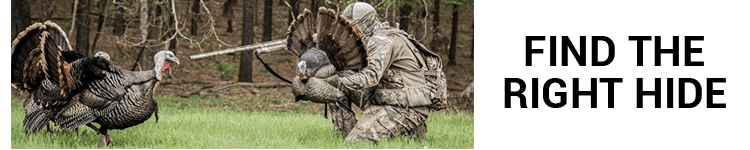
Find Your Ideal Hiding Spot
Your hiding position determines whether you’ll get a clean shot or spook the turkeys. Select a location that offers a large tree or natural barrier for concealment, a clear shooting lane toward your decoys, comfortable positioning for extended waits, and good sight lines to detect approaching birds.
Body Position Tips: If you’re right-handed, position yourself on your left side against the tree, angling your body slightly toward your decoys. Your left boot should point toward the decoy setup. This allows for natural weapon handling and smooth shooting motion.
Use branches and leaves to mask your silhouette. Break up your outline so you don’t create an obvious human shape that alerts turkeys from a distance.
Deploy Multiple Hen Decoys
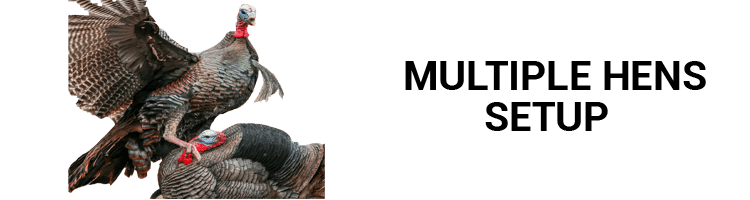
One decoy might work, but multiple decoys create a more convincing scene. Here’s the recommended setup:
Basic Multiple Decoy Setup:
- 1 tom (male) decoy
- 2-3 hen decoys
- At least 1 feeding hen in a natural pose
Advanced Breeding Season Setup: When turkeys are in breeding mode, use a tom in quarter or half-strut position, a jake (young male) at 5-6 feet distance, and a breeding hen positioned as if nesting.
This combination creates a realistic mating scenario that triggers aggressive responses in dominant gobblers.
Enhance Your Setup With Turkey Calls
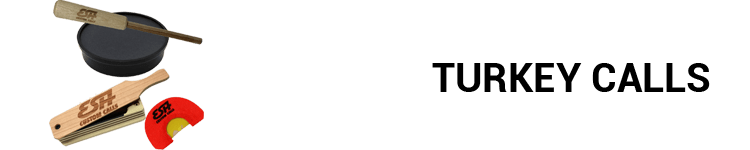
Decoys alone aren’t enough for consistent success. Turkey calls amplify the realism of your setup and extend your effective range.
Why Use Calls? When turkeys hear authentic calling combined with visual decoys, their brains confirm there’s a real turkey in the area. This dramatically increases approach distances and boldness of response.
Effective Call Types:
- Yelps and clucks (hen communication)
- Purrs (contentment sounds)
- Gobbles (dominance sounds)
- Assembly calls (regrouping sounds)
Scout and Select the Best Location
Location is everything in turkey hunting. Before placing your blind, gather intelligence about turkey behavior in your hunting area.
Pre-Hunt Reconnaissance:
- Identify roosting areas (where turkeys spend the night)
- Locate feeding areas (where they spend mid-day)
- Note common flight paths and travel corridors
- Mark water sources and dust bathing areas
Once you’ve gathered this information, position your blind 100-150 yards from roosting areas or 50-100 yards from known feeding zones.
Critical Location Factors:
- Wind Direction: Place the blind downwind from where turkeys approach
- Sun Position: Plan for morning and afternoon sun angles
- Natural Cover: Position near bushes, shadows, or terrain features
- Escape Routes: Ensure safe exit paths away from expected turkey approach

Master Sun Positioning Technique
Sun placement is often overlooked but critically important. Turkeys have exceptional vision and can detect movement from incredible distances, especially when it’s backlit.
Always position your blind so the sun is behind it, not in front of it. When light shines through the blind’s windows, your movement becomes highly visible to approaching turkeys.
Sun Positioning Strategy:
- Morning Hunts: Place blind with sun in the east (behind you)
- Afternoon Hunts: Reposition blind or use different setup with sun in the west (behind you)
- Multiple Blinds: Consider maintaining two blinds for morning and afternoon flexibility
⚠️ Important: If you must hunt with sun in your face, exercise extreme caution. Keep all windows closed except the shooting window to minimize shadow visibility.

Optimize Blind Visibility and Sight Lines
A common mistake is burying the blind deep in woods for concealment. This actually reduces your effectiveness by blocking your vision and limiting shooting opportunities.
The Visibility Principle: Blinds perform best when blended naturally into the environment, not completely hidden. Placing your blind in or near open areas is perfectly acceptable and often preferable.
Why Deeper Woods Is Problematic:
- Trees block your shooting lanes
- Darkness inside blind requires eye adjustment
- Limited visibility makes shooting difficult
- Turkeys escape quickly through dense cover
Instead, position your blind where you have:
- Clear shooting lanes 15-30 yards out
- Natural camouflage (shadows, vegetation, terrain)
- Good interior lighting during low-light conditions
- Multiple approach angle visibility
Maintain Portability and Adjustability
The best blinds are strong, steady, and portable. Your blind should be easy to set up, take down, and reposition as needed during the season.
Key Features to Look For:
- Lightweight but durable construction
- Quick-setup mechanisms
- Stable base to prevent wind movement
- Easy transportation (fits in truck/ATV)
- Adjustable height options
Quality blinds allow you to adjust position based on weather changes, turkey movement patterns, or new scouting information. This flexibility often makes the difference between a successful season and going home empty-handed.
Control Window Opening for Maximum Concealment
Your blind windows are your connection to the outside world, but they’re also your biggest vulnerability. Improper window management is a common reason for spooked turkeys.
Close all windows except your shooting window. Turkeys’ exceptional vision allows them to detect even slight movement through partially open windows from great distances.
Window Management Protocol:
- Before turkeys arrive: Close all windows
- While waiting: Keep only one shooting window open
- That window should face your decoy setup
- Slightly tilt window screen to minimize internal visibility
- Only fully open windows if turkey is within 20 yards
💡 Pro Tip: Practice quick window opening at home. You should be able to open your shooting window and bring your firearm to ready position in under 2 seconds.
How Many Decoys Do I Really Need?
For optimal results, bring at least one male and two female decoys, with at least one hen in a natural feeding pose. However, more decoys (3-4 total) can increase effectiveness by covering larger visual areas. The key is proper spacing and realistic positioning rather than sheer quantity.
How Many Blind Windows Should I Keep Open?
Keep only one window open while waiting for turkeys. This single shooting window should face your primary decoy setup. Turkeys have exceptional vision and will spot movement through multiple open windows from considerable distances. Seal and close all other openings completely.
What Time of Day Offers the Best Hunting Success?
The prime hunting times are early morning and late afternoon/sunset hours. During these periods, turkeys are most active and the sun positioning allows you to maintain the blind shadow advantage. Early morning (30 minutes before sunrise to 10 AM) is traditionally the most productive time.
Should I Always Use Calls With Decoys?
Yes, absolutely. While decoys provide the visual attraction, calls add the auditory component that makes your setup convincing. Turkeys rely on hearing to confirm turkey presence, and calls extend your effective range significantly. Use both tools together for maximum effectiveness.
What Features Make a Decoy High Quality?
Look for decoys with realistic, detailed paint patterns, accurate coloring matching wild turkeys, precise feather detail work, durable and lightweight materials, and multiple pose options (feeding, standing, displaying). Realistic details significantly increase turkey response rates compared to generic decoys.
Final Thoughts: Your Path to Turkey Hunting Success
Turkey hunting combines skill, strategy, and the right equipment. While decoys and ground blinds are essential tools, their effectiveness depends entirely on proper setup and thoughtful positioning.
Remember these key principles:
- Scout thoroughly before placing your blind
- Position strategically with wind and sun in mind
- Use realistic decoys with attention to detail
- Combine calls with decoys for maximum effectiveness
- Practice concealment discipline in your blind
- Stay patient and alert during long waits
With this comprehensive guide in hand, you’re equipped with the knowledge to significantly improve your turkey hunting success rate. Now it’s time to get into the field, put these techniques into practice, and experience the thrill of a successful hunt. Good luck, and happy hunting!

Leave a Reply