
Best Blood Tracking Lights: Don’t Lose a Trail After Dark
A marginal hit right before last light is one of the most stressful moments in hunting — and the difference between recovering that animal or not often comes down to whether you can actually see the blood trail once the sun goes down. A standard white flashlight washes out faint blood spots against dead leaves and dark soil. A purpose-built blood tracking light exploits how blood interacts with specific wavelengths of light, making drops that would otherwise disappear at night stand out clearly against the surrounding ground cover.

In this guide, we evaluate five lights hunters use for tracking wounded game after dark — three purpose-built blood tracking flashlights and two high-power UV utility lights. We compared beam type, brightness, runtime, waterproofing, and — most importantly — how each one actually performs against a real blood trail based on the science of how blood reflects and absorbs light. Marginal hits happen with any weapon, whether you’re shooting a crossbow or a compound bow, so having the right recovery light in your pack matters as much as your broadhead choice did on the shot itself.
🔬 The Science: Why Color Matters More Than Brightness
Hemoglobin — the pigment that makes blood red — strongly absorbs light in the green wavelength range (roughly 520–540nm). Shine a green or blue-violet light on a blood drop and it absorbs the light and appears dark or black, while surrounding leaves and grass reflect that same light and appear bright, flipping the usual contrast and making blood jump out visually. This is an absorption effect, not fluorescence. Despite popular belief, blood does not glow under UV/black light the way forensic dramas suggest — UV lights are genuinely useful for spotting other fluorescing materials (certain fabrics, some bone fragments, or urine), but they are not the most reliable tool for blood specifically. Keep this in mind when choosing a light: a dedicated green or blue-violet tracking light will typically outperform a general-purpose UV flashlight for following an actual blood trail.
🔦 5 Best Blood Tracking Lights – Quick Overview
Browse all 5 options below. Click “See Details” for comprehensive review and buying guide.
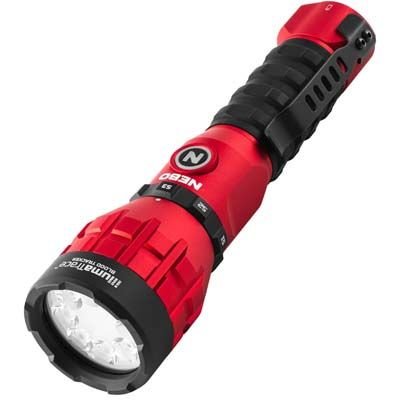
1. NEBO IllumaTrace Blood Tracker Flashlight
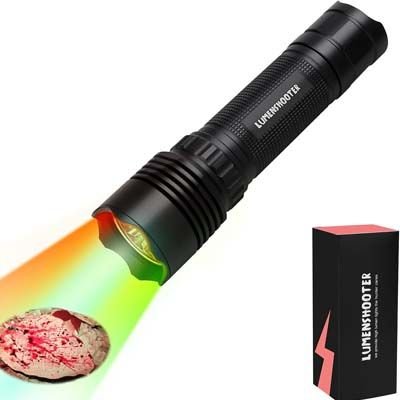
2. LUMENSHOOTER B2 Blood Tracking Light for Deer
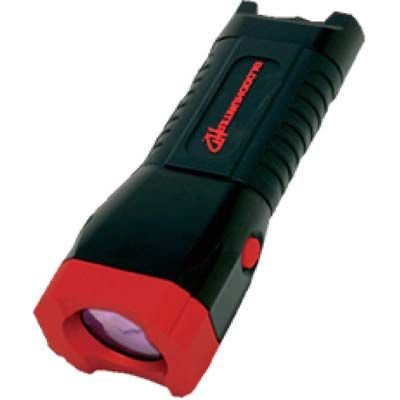
3. Primos Bloodhunter HD
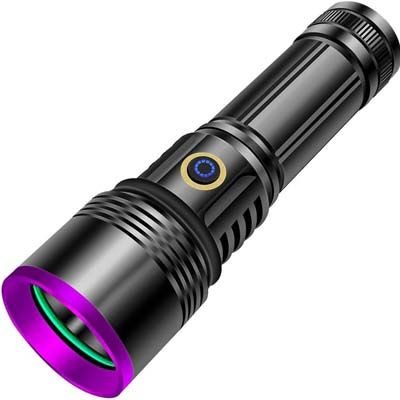
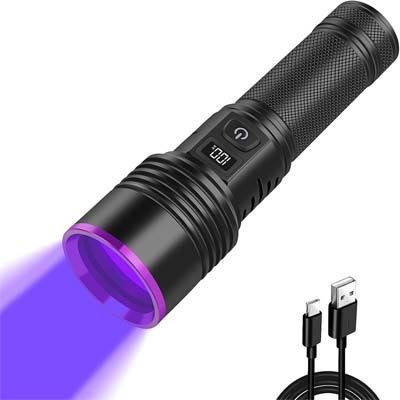
4. LUXNOVAQ 30W 365nm UV Flashlight with Filter Lens
5. WINDFIRE 365nm UV Flashlight (Black Light / Pet Urine Detector)
⚖️ Quick Comparison: All 5 at a Glance
| Light | Type | Best At | Power | Special Feature | Best For |
|---|---|---|---|---|---|
| NEBO IllumaTrace | Dedicated Tracker | Blood Trails | Rechargeable | White + Tracking Modes | All-Purpose Recovery |
| LUMENSHOOTER B2 | Dedicated Tracker | Blood Trails | Compact/Handheld | Budget Price | First Tracking Light |
| Primos Bloodhunter HD | Dedicated Tracker | Blood Trails | Battery-Powered | Shadow-Free Beam | Trusted Brand Reliability |
| LUXNOVAQ 30W UV | UV Utility Light | Fluorescing Materials | Rechargeable, 30W | Filter Lens Included | Supplemental Sign & Utility |
| WINDFIRE UV | UV Utility Light | Fluorescing Materials | Rechargeable | Pet Urine Detection | Multi-Purpose Use |
📋 Detailed Product Reviews: Full Breakdowns
1. NEBO IllumaTrace — Best Overall
★ Key Features & Benefits
- Dual-Mode Design: Switch between a dedicated tracking wavelength and a standard white light without carrying two flashlights.
- Rechargeable Convenience: Includes a USB charging cable, eliminating the need to stock specialty batteries.
- Waterproof Housing: Holds up in wet grass, rain, or a creek crossing during a recovery effort.
- High-Grip Handle: Stays secure in hand even when it’s wet, muddy, or cold out.
- 3-Hour Runtime: Enough sustained light for an extended tracking job on a difficult trail.
✔ Pros
- Two genuinely useful light modes in one unit
- Rechargeable, no disposable batteries needed
- Waterproof and grippy in wet conditions
- Solid 3-hour runtime
- Purpose-built for the exact recovery scenario
❌ Cons
- 180 lumens is moderate compared to some higher-output competitors
- Runtime limits back-to-back long tracking jobs without a recharge
- Premium pricing versus basic single-mode trackers
NEBO IllumaTrace — One Light, Two Jobs
Carrying a dedicated tracking light and a regular flashlight means one more thing to grab before you head out, and one more thing to potentially forget. The IllumaTrace’s dual-mode design solves that by covering both jobs in a single waterproof unit — genuinely useful gear to keep in the same pack as your release aid and other essentials you don’t want to be without after a shot.
2. LUMENSHOOTER B2 — Best Budget Pick
★ Key Features & Benefits
- Purpose-Built Tracking Wavelength: Designed specifically around the light science that makes blood contrast against ground cover.
- Compact Form Factor: Small enough to keep in a pack or vest pocket without adding noticeable bulk.
- Accessible Price Point: Removes cost as a barrier to trying a dedicated tracking light for the first time.
- Simple, Straightforward Operation: No complicated mode-switching or settings to fumble with in the dark.
- Marketed Specifically for Deer Recovery: Built with the exact hunting scenario in mind rather than adapted from a general-purpose light.
✔ Pros
- Genuinely affordable entry point
- Purpose-built for deer recovery
- Compact and easy to carry
- Simple, no-fuss operation
- Good way to test the category
❌ Cons
- Fewer premium build features than higher-priced options
- Single mode only, no white light backup
- Less established brand track record
LUMENSHOOTER B2 — A Low-Risk Way to Try Tracking Lights
Not every hunter is ready to invest heavily in a specialized tool they might only need a handful of times a season. This light removes that barrier, delivering the core tracking-wavelength benefit without the premium price tag of a fully-loaded model.
3. Primos Bloodhunter HD — Best Trusted Brand
★ Key Features & Benefits
- Shadow-Free Beam: Distributes light evenly across the ground rather than creating hot spots and dark fringes that can hide blood drops.
- Durable Aluminum Body: A rugged, water-resistant housing built to survive real field conditions, not just casual use.
- Established Brand: Primos has a long history in hunting-specific gear, adding confidence for a tool you’re relying on at a critical moment.
- Big Game Focus: Designed with deer and elk recovery specifically in mind, not adapted from an unrelated product line.
- Field-Tested Reliability: Built to perform consistently across repeated seasons of hard use.
✔ Pros
- Even, shadow-free beam pattern
- Durable aluminum construction
- Trusted, established hunting brand
- Built specifically for big game recovery
- Water-resistant for real field use
❌ Cons
- Not USB rechargeable on all versions — check battery type before buying
- Premium pricing versus generic alternatives
- Aluminum body adds some weight compared to plastic-bodied competitors
Primos Bloodhunter HD — Even Light, No Blind Spots
An uneven beam with hot spots and dark edges can genuinely hide a small blood drop sitting just outside the brightest part of the light. The Bloodhunter HD’s shadow-free design addresses that directly, giving you consistent visibility across the whole area you’re sweeping rather than just a bright center circle.
4. LUXNOVAQ 30W UV Flashlight — Best High-Power UV
★ Key Features & Benefits
- High 30W Output: Significantly more powerful than typical small UV keychain or novelty lights.
- USB Rechargeable: No disposable batteries needed, convenient for repeated field use.
- Filter Lens Included: Fine-tunes the UV output for clearer results depending on application.
- Genuinely Multi-Purpose: Useful for spotting fluorescing materials, pet stains at home, scorpions, and other UV-reactive items beyond hunting.
- Important Honest Note: Blood itself does not reliably fluoresce under UV light — this tool is better suited to other fluorescing trail sign than to blood specifically.
✔ Pros
- Strong, genuinely powerful UV output
- Rechargeable and convenient
- Useful for many non-hunting applications too
- Includes a filter lens accessory
- Good value as a multi-purpose tool
❌ Cons
- Not the most effective tool specifically for finding blood
- Best used as a supplement, not a primary tracking light
- Bulkier than compact dedicated tracking lights
LUXNOVAQ UV Flashlight — A Genuinely Useful Supplement, Not a Blood Specialist
It’s worth being upfront here: a UV light is not the most effective tool specifically for finding blood, since blood doesn’t reliably fluoresce under UV the way popular myth suggests. Where this light does earn its spot in a pack is spotting other trail sign — certain synthetic fibers, some fresh urine markings, or general utility tasks around camp — making it a worthwhile secondary tool alongside a dedicated tracker like the NEBO or Primos above.
5. WINDFIRE UV Flashlight — Best Dual-Purpose UV
★ Key Features & Benefits
- True Multi-Purpose Design: Marketed primarily for household pet urine detection, making it useful well beyond hunting season.
- 365nm Black Light Output: Effective for the fluorescing materials UV light is actually good at revealing.
- Rechargeable Battery: Convenient for repeated use without hunting for disposable batteries.
- Compact and Portable: Easy to toss in a pack for camp or field use alongside its household role.
- Budget-Friendly Dual Use: Justifying the purchase is easier when it serves more than one purpose.
✔ Pros
- Genuinely useful outside of hunting too
- Rechargeable and convenient
- Compact and portable
- Good value given the dual-purpose function
- Effective for actual UV-reactive materials
❌ Cons
- Not an effective dedicated blood-finding tool
- Lower power output than the LUXNOVAQ’s 30W rating
- Best treated as a bonus utility item, not a hunting-specific purchase
WINDFIRE UV Flashlight — A Light That Earns Its Keep at Home Too
Buying gear that only proves useful a few times a season is a hard sell for some hunters, and this light avoids that problem by being genuinely handy around the house as a pet-stain detector as well. Just go in with the right expectations — it’s a nice-to-have supplement in the truck, not a substitute for a real green or blue-violet tracking light on the actual blood trail.
🛒 How to Choose Your Blood Tracking Light
Dedicated Tracking Light vs. General-Purpose UV
Dedicated blood tracking lights use wavelengths specifically chosen because hemoglobin absorbs them strongly, making blood appear dark against bright foliage. General UV flashlights are excellent tools for other purposes, but blood itself doesn’t reliably fluoresce under UV — treat a UV light as a supplement to, not a replacement for, a dedicated tracker.
Beam Pattern and Coverage
A shadow-free or evenly diffused beam covers more ground consistently, reducing the chance a small blood drop sits in a dark fringe just outside the brightest spot. A tightly focused spotlight beam can actually make sweeping a wide area slower and less thorough.
Runtime and Power Source
A difficult trail can take well over an hour to work through carefully. Rechargeable lights are convenient day-to-day, but pack a backup power bank or spare batteries for a genuinely long or difficult recovery effort so you’re not left in the dark partway through.
Waterproofing and Build Durability
Tracking often means walking through wet grass, creek crossings, or rain that started after the shot. A waterproof or water-resistant housing with a secure grip matters more here than in a light you’d only use around a dry camp.
Single-Mode vs. Multi-Mode Lights
A light with both a tracking mode and a standard white light mode means one less item in your pack — useful for general navigation on the walk back once the animal is recovered, without needing a completely separate flashlight.
Realistic Expectations for Old or Faint Trails
No light replaces careful, methodical tracking technique — checking for disturbed leaves, hair, and other sign alongside actual blood. A quality tracking light dramatically improves what you can see, but a truly light hit or an old, dried trail can still be genuinely difficult to follow regardless of the tool in hand.
❓ Frequently Asked Questions
1. Does blood actually glow under a UV/black light?
No — this is a common misconception, often reinforced by crime shows. Blood does not reliably fluoresce under UV light; it works by absorbing light rather than glowing. Dedicated blood tracking lights typically use green or blue-violet wavelengths, which blood absorbs strongly, making it appear dark against brighter surrounding foliage.
2. What color light is best for finding blood at night?
Green light in the roughly 520-540nm range is considered highly effective because hemoglobin absorbs strongly in that range, creating stark contrast against green foliage. Blue-violet lights are also commonly used and marketed by many hunting brands for a similar contrast-reversal effect.
3. Are UV flashlights worth carrying at all if they don’t find blood well?
Yes, as a supplemental tool rather than your primary tracker. UV lights are genuinely effective at revealing other fluorescing materials — certain synthetic fibers, some bone fragments, or fresh urine — and many are also useful for general household or camp tasks, making them a reasonable secondary item in a pack.
4. How long should I wait before starting to track a wounded deer?
Wait times vary by shot placement and are a separate topic from light choice, but generally a longer wait is recommended for a marginal or unclear hit to avoid pushing the animal further before it beds down. Consult established shot-placement and recovery guidance for specifics on timing.
5. Can I just use my regular hunting flashlight to track blood?
You can, but a standard white light doesn’t create the same contrast-reversal effect that a green or blue-violet tracking light does, making faint or small blood drops significantly harder to spot, especially against dark leaf litter or shadowed ground.
6. Do I need a high-lumen light for blood tracking, or does wavelength matter more?
Wavelength matters more than raw brightness for blood specifically, since the contrast effect depends on the color of light, not just how much of it there is. That said, adequate brightness and an even beam pattern still matter for actually covering ground efficiently during a search.
🔦 Final Thoughts: The Right Light Can Save a Recovery
A blood trail that looks hopeless under a standard flashlight can become genuinely followable under the right wavelength of light. For an all-in-one solution, NEBO’s IllumaTrace combines dedicated tracking with a standard white light mode. For an affordable way to try the category, LUMENSHOOTER’s B2 delivers the core benefit at a lower price. For proven, trusted reliability, Primos’ Bloodhunter HD offers a shadow-free beam built by an established hunting brand. And for supplemental UV utility that pulls double duty beyond hunting season, both the LUXNOVAQ and WINDFIRE UV lights are worth keeping in the truck — just don’t expect them to replace a dedicated tracker for blood specifically.
No light replaces careful, patient tracking technique, but the right tool makes a genuine difference on a tough trail after dark. Combine it with the rest of your setup — a solid bow holder, a properly worn safety harness, and good shot discipline — and you’ll give every hunt, even an imperfect shot, the best possible chance at a full recovery.
⚠️ Affiliate Disclosure: This page participates in Amazon Associates and other affiliate programs. We may earn a small commission if you purchase through our links, at no extra cost to you. A tracking light is an aid, not a guarantee — always follow ethical, patient tracking practices and your local wildlife agency’s recovery guidance. Explore our tree stand bow holder guide and broadhead recommendations to round out your bowhunting setup.

Leave a Reply