
Best Hunting Safety Harness: Don’t Hunt From a Tree Stand Without One
Tree stand falls are one of the leading causes of serious hunting injuries every year, and the large majority of those falls happen to hunters who either weren’t wearing a harness at all or weren’t attached to it during the climb up or down. A quality full-body safety harness is the single piece of gear that turns a potentially catastrophic fall into a non-event — it should be treated as mandatory equipment, not an optional accessory that gets left in the truck.

In this guide, we evaluate five of the best hunting safety harnesses available today — from complete lineman’s belt and suspension relief systems to lightweight, mobility-focused bow-hunter harnesses and budget-friendly adjustable options. We compared comfort, adjustability, weight capacity, ease of use during the climb, and suspension trauma relief features. Pair the right harness with a solid ladder tree stand, and you’ve addressed the single biggest safety risk in tree stand hunting.
⚠ Important Safety Note
A harness only works if it’s worn correctly and attached from the moment you leave the ground until you’re back down — not just while seated in the stand. Use a lifeline system that keeps you tethered during the climb itself, inspect straps and buckles before every season, and never exceed the manufacturer’s rated weight capacity. If you fall and are suspended, use a suspension trauma relief strap immediately to relieve pressure on your legs and reduce the risk of suspension trauma while you await help or self-rescue.
🦺 5 Best Hunting Safety Harnesses – Quick Overview
Browse all 5 options below. Click “See Details” for comprehensive review and buying guide.
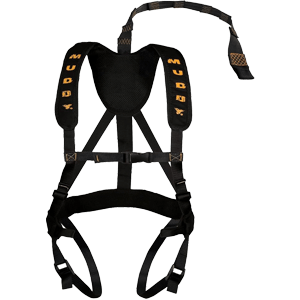
1. Muddy Magnum Harness with Lineman’s Belt, Tree Strap & Suspension Relief Strap
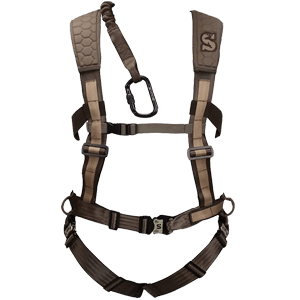
2. Summit Treestands Men’s Pro Safety Harness
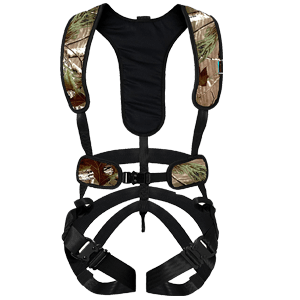
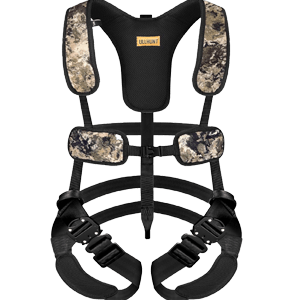
3. Hunter Safety System X-1 Bow-Hunter Harness
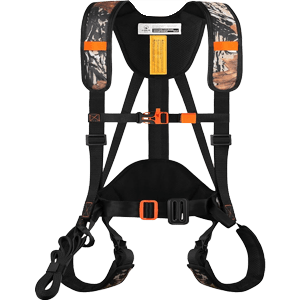
4. Kalkal Tree Stand Harness with Whistle Aid
5. UIIHUNT Adjustable Tree Stand Harness
⚖️ Quick Comparison: All 5 at a Glance
| Harness | Type | Size | Suspension Relief | Special Feature | Best For |
|---|---|---|---|---|---|
| Muddy Magnum Harness | Complete System | Standard | Included | Lineman’s Belt + Tree Strap | Complete Setup |
| Summit Pro Harness | Full-Body | Large | Standard | Summit-Matched Fit | Summit Stand Owners |
| HSS X-1 Bow-Hunter | Vest-Style | L/XL | Standard | Bow-Draw Mobility | Bowhunters |
| Kalkal Harness | Adjustable Full-Body | M/L/XL | Standard | Emergency Whistle | Budget Buyers |
| UIIHUNT Harness | Adjustable Full-Body | Adjustable | Standard | Extra Padding | All-Day Comfort |
📋 Detailed Product Reviews: Full Breakdowns
1. Muddy Magnum Harness — Best Complete System
★ Key Features & Benefits
- Lineman’s Belt Included: Keeps you tethered to the tree with both hands free during the climb itself, not just once seated.
- Tree Strap for Stand-Side Attachment: Provides a secure connection point once you’ve reached hunting height.
- Suspension Relief Strap: A critical component that lets you relieve leg pressure immediately if you do fall and are suspended.
- Padded Comfort Points: Shoulder and leg straps are padded for long sits without cutting circulation.
- Multi-Stand Compatibility: Works across climbing, hang-on, and ladder stand setups without needing separate gear.
✔ Pros
- Complete fall-protection system in one kit
- Includes lineman’s belt for safe climbing
- Suspension relief strap included
- Comfortable padded straps
- Works across multiple stand types
❌ Cons
- Bulkier than a minimalist vest-style harness
- More components to learn and set up initially
- Premium pricing compared to basic harnesses
Muddy Magnum Harness — Everything You Need, Nothing Extra to Buy
Piecing together a lineman’s belt, tree strap, and relief strap separately is exactly the kind of gap that leads hunters to skip using them altogether. The Magnum Harness solves that by including all three from the start, making it a strong first harness purchase or an upgrade from a basic strap-only model. Pair it with a solid ladder tree stand for a complete, safety-first setup from the ground up.
2. Summit Pro Safety Harness — Best Brand-Matched Fit
★ Key Features & Benefits
- Full-Body Design: Distributes fall-arrest force across the shoulders, waist, and legs rather than one point.
- Summit Hardware Compatibility: Integrates cleanly with Summit stand attachment points without adapters.
- Universal Backup Fit: Still works on non-Summit stands if your setup ever changes.
- Trusted Manufacturer: Built by an established stand company with a long track record in tree stand safety gear.
- Straightforward Sizing: Available in clearly labeled sizes for a predictable, consistent fit.
✔ Pros
- Clean integration with Summit stands
- Still universally compatible elsewhere
- Trusted, established brand
- Solid full-body fall protection
- Consistent, predictable sizing
❌ Cons
- Best-optimized specifically for Summit hardware
- Limited color options
- No bundled lineman’s belt or relief strap
Summit Pro Harness — Built to Match Your Stand
The same logic that makes a brand-matched bow holder sit cleaner on a Summit stand applies here — a harness designed around the same hardware tends to attach more predictably than a generic universal option. If you switch between archery and rifle seasons on the same stand, pairing it with a proper tree stand gun rest keeps both setups equally dialed in.
3. Hunter Safety System X-1 — Best For Mobility
★ Key Features & Benefits
- Vest-Style Construction: Distributes weight like a comfortable vest rather than a bulky strap-heavy harness.
- Built for Bow Mobility: Designed specifically to avoid restricting shoulder and arm movement during a draw.
- Lightweight Materials: Noticeably lighter than many full-body harnesses without sacrificing fall protection.
- All-Season Comfort: Breathable enough for early-season heat, still functional layered over cold-weather clothing.
- Established Safety Brand: Hunter Safety System has a long history specifically focused on tree stand fall prevention.
✔ Pros
- Excellent mobility for bow hunters
- Lightweight, all-season comfort
- Vest-style fit feels less bulky
- Trusted safety-focused brand
- Doesn’t restrict draw or shot form
❌ Cons
- Limited to Large/X-Large sizing in this listing
- No bundled lineman’s belt
- Vest style may feel less “full coverage” to some users than a traditional harness
Hunter Safety System X-1 — Safety That Doesn’t Slow Down Your Shot
A harness that restricts your draw is a harness some bowhunters quietly stop wearing correctly, which defeats the entire purpose. The X-1’s vest-style design solves that trade-off directly, keeping you protected without fighting your form on a shot. It’s a strong match for anyone spending long pack-in sits waiting on the right angle.
4. Kalkal Tree Stand Harness — Best Budget Pick
★ Key Features & Benefits
- Wide Size Range: M/L/XL sizing covers most body types without needing multiple listing options.
- Emergency Whistle Included: A small but meaningful addition for signaling for help if suspended after a fall.
- Multi-Point Adjustability: Straps adjust at several points for a more customized, secure fit.
- Lightweight Build: Doesn’t add significant bulk or weight to your overall pack.
- Accessible Price Point: Removes cost as an excuse for skipping a harness altogether.
✔ Pros
- Genuinely affordable entry point
- Includes a safety whistle
- Wide, flexible size range
- Lightweight and packable
- Good multi-point adjustability
❌ Cons
- Less padding than premium options
- No bundled lineman’s belt or relief strap
- Build materials feel less robust than top-tier brands
Kalkal Harness — No Excuse Left Not to Wear One
Cost is one of the most common reasons hunters cite for skipping a harness, and this option removes that excuse entirely. It’s not the most padded or feature-rich harness on this list, but it covers the fundamentals — full-body protection, wide sizing, and an included whistle — at a price that makes it an easy first purchase.
5. UIIHUNT Tree Stand Harness — Most Comfortable Budget Option
★ Key Features & Benefits
- Cushioned Straps: Extra padding at the shoulders and legs reduces pressure points during extended sits.
- Multiple Adjustment Points: Fine-tunes fit across different body types and layering for cold weather.
- Lightweight Design: Doesn’t add noticeable bulk to your overall stand setup.
- Versatile Use: Functions for both tree stand and ground blind hunting scenarios.
- Budget-Friendly: Delivers meaningfully more comfort than typical budget harnesses at a similar price point.
✔ Pros
- Noticeably more padded than typical budget options
- Comfortable for extended all-day sits
- Multiple adjustment points for a custom fit
- Lightweight overall build
- Versatile across stand and blind use
❌ Cons
- No bundled lineman’s belt or relief strap
- Fewer brand-recognition guarantees than established names
- Standard rather than premium-grade webbing
UIIHUNT Harness — Comfort That Doesn’t Cost Extra
All-day sits during peak rut put real hours of strap contact on your shoulders and legs, and this harness’s extra padding makes a genuine difference over that stretch. It’s proof that comfort and an affordable price tag aren’t mutually exclusive on a hunting safety harness.
🛒 How to Choose Your Hunting Safety Harness
Full-Body Harness vs. Vest-Style Design
Traditional full-body harnesses distribute fall-arrest force across the shoulders, waist, and legs for maximum protection. Vest-style harnesses trade a small amount of coverage for significantly better mobility, which matters most for bowhunters who need full range of motion to draw and shoot.
Lineman’s Belt for Safe Climbing
A harness alone doesn’t protect you during the climb up or down unless you’re also using a lineman’s belt or a lifeline system that keeps you tethered the entire time. Many fall injuries happen during the climb itself, not while seated — this component matters as much as the harness.
Suspension Trauma Relief Strap
If you do fall and end up suspended by your harness, blood pooling in the legs can cause suspension trauma within minutes. A relief strap lets you stand in loops to relieve that pressure while you self-rescue or wait for help — a feature worth prioritizing over minor comfort or style differences.
Sizing and Weight Capacity
A harness that’s too loose can shift dangerously in a fall, while one that’s too tight restricts movement and circulation. Check the manufacturer’s size chart and rated weight capacity carefully, and size up if you’ll be wearing bulky cold-weather layers underneath.
Comfort for All-Day Sits
A harness you find uncomfortable is a harness you’re more likely to loosen incorrectly or skip wearing altogether on a long sit. Padded shoulder and leg straps make a meaningful difference over a full-day hunt, especially during extended rut-season sits.
Inspection and Replacement Schedule
Webbing, stitching, and buckles degrade with UV exposure, moisture, and repeated use over multiple seasons. Inspect your harness thoroughly before every season, and replace it if you notice fraying, weakened stitching, or any buckle that doesn’t lock securely — a harness is not a piece of gear worth stretching past its usable life.
❓ Frequently Asked Questions
1. Do I really need a safety harness for tree stand hunting?
Yes. Tree stand falls are one of the leading causes of serious hunting injuries, and a properly worn full-body harness dramatically reduces that risk. Many stand manufacturers now include a basic harness with new stands specifically because of how common preventable falls have historically been.
2. When should I actually be wearing my harness?
From the moment you leave the ground until you’re back down — not just while seated in the stand. Use a lifeline system that keeps you tethered during the climb itself, since a significant number of falls happen during ascent or descent rather than while hunting.
3. What is a suspension relief strap and why does it matter?
If you fall and are left hanging in your harness, blood can pool in your legs within minutes, a dangerous condition known as suspension trauma. A relief strap lets you create a loop to stand in, relieving that pressure while you self-rescue or signal for help.
4. Is a vest-style harness as safe as a traditional full-body harness?
Quality vest-style harnesses designed specifically for hunting, like Hunter Safety System’s lineup, still provide genuine fall-arrest protection while offering better mobility for activities like drawing a bow. The key is choosing a purpose-built hunting harness rather than an incomplete safety substitute.
5. How often should I replace my hunting safety harness?
Inspect it thoroughly before every season for fraying webbing, weakened stitching, or buckles that don’t lock securely. Most manufacturers recommend replacing a harness after any fall event, or roughly every few years with regular use, even without visible damage.
6. Can I use a construction or general safety harness instead of a hunting-specific one?
Hunting-specific harnesses are designed around the movement, mobility, and attachment needs of tree stand hunting, including compatibility with tree straps and hunting-specific stand hardware. A general-purpose safety harness may not offer the same fit, mobility, or hunting-relevant features.
🦺 Final Thoughts: The One Piece of Gear You Should Never Skip
Every other item on a hunting checklist affects your comfort or your odds of success — a safety harness affects whether you make it home safely. For a complete, all-in-one setup, Muddy’s Magnum Harness bundles the lineman’s belt, tree strap, and relief strap you actually need. For Summit stand owners, the Summit Pro Harness offers a clean, matched fit. For bowhunters who can’t sacrifice mobility, Hunter Safety System’s X-1 delivers protection without restricting a draw. And for hunters watching their budget, both the Kalkal and UIIHUNT harnesses prove that affordable doesn’t have to mean unsafe or uncomfortable.
Whichever harness you choose, wear it correctly, inspect it every season, and stay attached from the ground up — not just once you’re seated. Pair it with a solid ladder tree stand, the rest of your tree stand gear, and whichever weapon holder fits your season — a bow holder or a gun holder — and you’ve addressed the single biggest safety risk in tree stand hunting before you ever climb up.
⚠️ Affiliate Disclosure: This page participates in Amazon Associates and other affiliate programs. We may earn a small commission if you purchase through our links, at no extra cost to you. A safety harness is not a substitute for proper training, correct usage, and manufacturer instructions — always read and follow the included guidance for your specific harness. Explore our ladder tree stand guide and tree stand bag recommendations for a complete, safety-first stand setup.

Leave a Reply