
How To Attract Deer Without Baiting: Unveiling The Secrets of The Whitetail
Baiting is illegal in roughly a dozen U.S. states and restricted by county, zone, or land type in many more, largely driven by Chronic Wasting Disease management. Even where it’s fully legal, plenty of hunters choose to skip it — corn piles and mineral licks concentrate deer unnaturally, can shift them toward nocturnal patterns, and don’t teach you a thing about how deer actually use a piece of land. The good news is that some of the most effective ways to consistently pull deer within range have nothing to do with a feed pile at all. They’re built on habitat, cover, water, and understanding whitetail behavior well enough to work with it instead of just luring animals to a pile of corn.

This guide covers the legal and habitat-driven techniques serious whitetail hunters and land managers rely on instead of bait — food plots done the right way, habitat and native browse improvement, water sources, bedding sanctuaries, mock scrapes, calling and decoys, and travel corridor manipulation. None of this replaces good fundamentals — pair it with our guides on whitetail deer behavior and scouting deer like a pro for the full picture.
⚠ Know Your State’s Baiting Laws Before You Start
Most state wildlife agencies define bait as any food, grain, mineral, or consumable substance placed to attract deer for hunting — and that definition often includes mineral and salt blocks, not just corn or feed. A standing crop planted and left to grow naturally is generally not considered bait, but harvesting that crop and piling or redistributing it near a stand usually crosses the line. Rules vary significantly by state, and often by county or CWD management zone within a state, so always confirm current regulations with your state wildlife agency before setting anything out.
“A deer drawn in by better habitat is a deer that keeps coming back on its own terms — not one you’re bribing into range for a single season.”
🦌 Why Attract Deer Without Bait in the First Place
Disease Risk Is the Biggest Driver of Modern Baiting Bans
Chronic Wasting Disease spreads between deer largely through direct contact with saliva, urine, and feces, and concentrated feeding sites are exactly the kind of contact point that accelerates transmission. Recent research has found deer congregate far more densely at bait sites than at food plots or across the natural landscape, which is precisely why CWD detection in a county so often triggers an immediate baiting and feeding ban in that area and its surroundings.
Baiting Can Work Against You Behaviorally
Deer that grow reliant on a consistent artificial food source can shift toward more nocturnal habits around that specific site, especially under hunting pressure, and may prioritize the bait over natural forage in ways that don’t serve their actual nutritional needs. Habitat-based attraction avoids training deer into an unnatural pattern that can just as easily work against you once they associate the spot with danger.
It’s Often Simply the Law
States like Wisconsin, Michigan, and Pennsylvania prohibit baiting and feeding deer largely due to significant CWD presence, while states like Texas, Oklahoma, and Kansas allow it broadly on private land as part of a long-standing regional hunting culture. Even states that have historically banned it are adjusting — Tennessee, for example, is introducing a paid baiting privilege license starting in 2026. The patchwork changes often enough that learning to attract deer without bait is simply a more portable skill set across state lines.
🌱 Habitat-Based Techniques That Actually Work
Food Plots Done the Legal, Effective Way
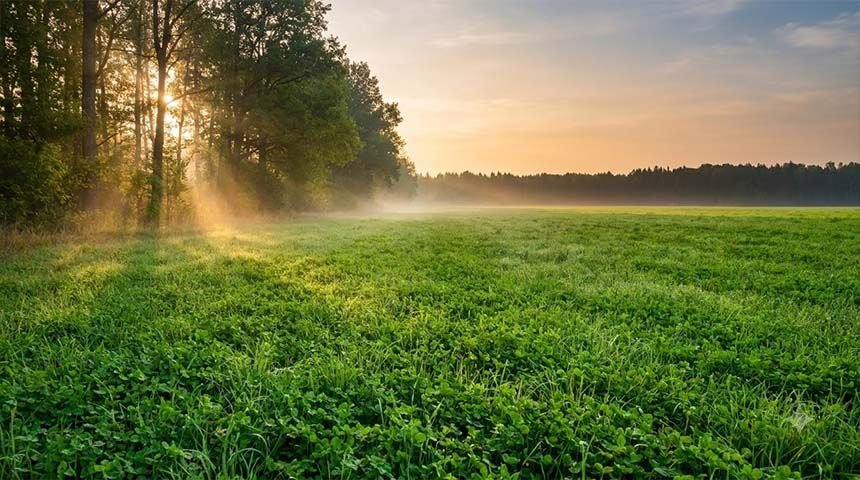
A properly planted food plot is treated very differently from a bait pile in most states because it provides a standing, naturally growing food source rather than concentrated feed dumped in one spot. Clover, brassicas, and cereal grains planted in-season give deer a genuine nutritional destination that builds a pattern over weeks, not minutes. The line that gets hunters in trouble is harvesting a crop and then piling or redistributing that grain near a stand — at that point, most states classify it as bait regardless of where it originally grew.
- Plant and leave standing rather than harvesting and piling
- Choose perennial clover for season-long draw, or brassicas for a late-season boost
- Locate plots near bedding cover so deer feel comfortable feeding in daylight
- Confirm your state’s specific food plot size and placement rules before planting
Improve Native Browse and Habitat Structure
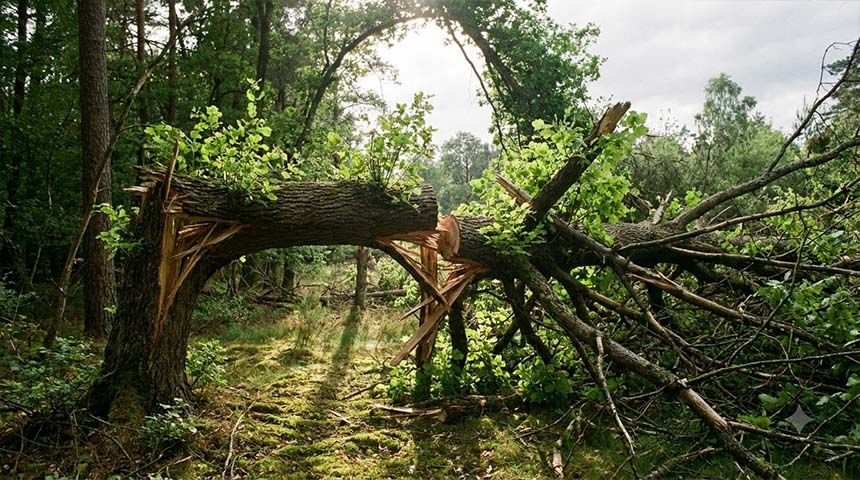
Most properties already hold more natural deer food than hunters realize — it’s just locked up in a closed forest canopy that blocks sunlight from reaching the ground. Hinge-cutting select trees, thinning overcrowded timber, and opening small canopy gaps lets sunlight reach the forest floor, triggering a flush of new, tender browse growth deer prefer over older, tougher vegetation. This work also tends to double as bedding cover, since the tangled fallen branches from hinge-cutting create the kind of thick, low security cover deer look for. For a comprehensive breakdown of optimal habitat management, explore our guide on understanding white-tailed deer characteristics and behavior.
- Hinge-cut select trees to open canopy gaps and create instant ground-level cover
- Thin overcrowded stands to let more sunlight reach the forest floor
- Target areas near existing bedding cover for the biggest behavioral impact
- Work is most effective done well before season to let regrowth establish
Add or Improve Water Sources
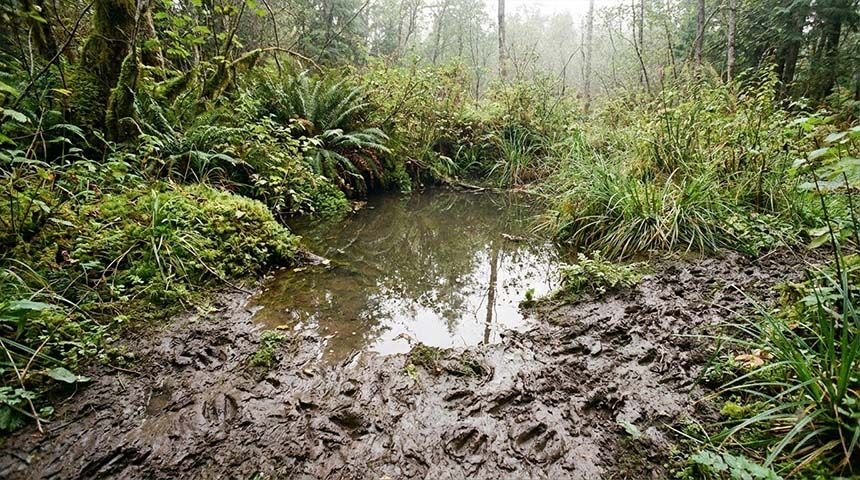
Water is an unglamorous but genuinely powerful attractant, particularly in dry regions or during hot early-season stretches when deer need to drink more frequently. A small pond, a cleared and improved natural seep, or even a strategically placed water trough can become a consistent daily stop, especially if it’s the only reliable water source within a reasonable travel distance on the property.
- Prioritize water sources near bedding areas, not just fields
- Small, unobtrusive water features often outperform large, exposed ponds
- Most valuable during hot, dry stretches of early season
- Keep human scent and disturbance to a minimum around the source
Create Bedding Sanctuaries
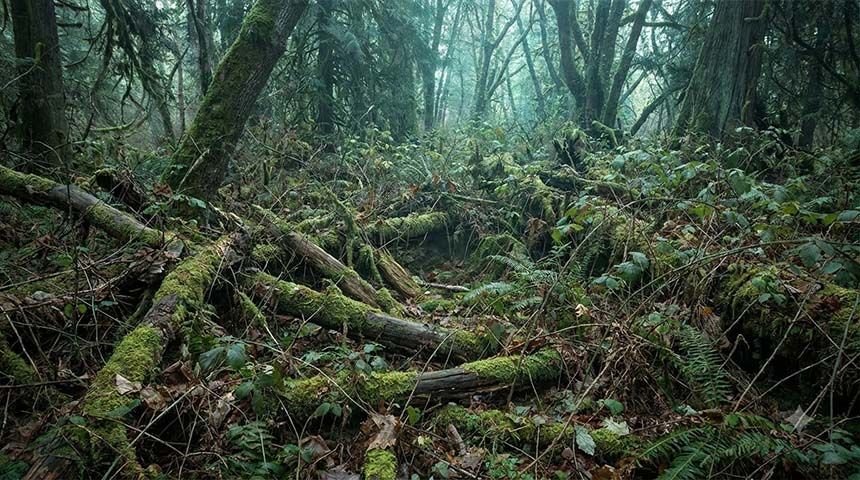
A section of the property left completely undisturbed — no entry, no scouting trips, no pressure at all during the season — gives deer, especially mature bucks, a secure core area to retreat to. Properties with a genuine sanctuary tend to hold deer more consistently than properties hunted edge-to-edge, since the deer always have somewhere to go that doesn’t associate with danger. This principle is explored in depth in our comprehensive guide on scouting deer like a pro.
- Choose thick, low-visibility cover away from primary access routes
- Enforce a strict no-entry policy during the season, even for scouting
- Surrounding funnels and food sources benefit from the security this creates nearby
- Even a small sanctuary (a few acres) can measurably change how deer use a property
Use Mock Scrapes to Trigger Natural Behavior
Rather than luring deer with food, a mock scrape works by tapping directly into a buck’s territorial and rut-driven instincts. A scraped patch of dirt beneath an overhanging licking branch, refreshed with a scent product designed for scrapes, encourages bucks to revisit and re-mark a spot you chose — not a food source, but a behavioral trigger that’s legal essentially everywhere bait isn’t.
- Position mock scrapes in travel corridors, not open fields
- Most effective during the pre-rut and rut windows
- Pair with a nearby camera to confirm which bucks are working the scrape
- Refresh scent periodically rather than expecting a single application to last
Calls and Decoys: Behavioral, Not Nutritional, Attraction
A grunt call, an estrous bleat, or a well-placed deer decoy draws deer in through communication and instinct rather than food, and none of it falls under baiting regulations. These tools work best layered with everything else on this list — a decoy near a mock scrape, positioned along a travel corridor between a bedding sanctuary and a food plot, does far more than any single tactic alone.
- Match the call or decoy type to the season — grunts and rattling shine during the rut
- Combine with visual and scent cues for a more convincing overall setup
- Use sparingly rather than constantly to avoid over-exposing wary deer
- See our guide to the best deer calls for specifics on which sound fits which situation
Shape Travel Corridors and Funnels
Deer naturally follow the path of least resistance between bedding and food, and you can influence that path with terrain features rather than food. Dropping a few trees to block an undesirable route, clearing a narrow shooting lane through a natural pinch point, or leaving a fence gap as the easiest crossing option all nudge deer toward a specific, huntable travel corridor without a single kernel of corn involved.
- Identify natural funnels first — creek crossings, saddles, fence gaps
- Use fallen timber to close off undesirable alternate routes
- Keep modifications subtle; heavy-handed changes can spook deer away entirely
- Reassess funnels each off-season, since terrain and cover shift over time
Control Scent and Minimize Pressure
All the habitat work in the world underperforms if deer smell you every time you access a stand. Careful entry and exit routes, scent-control practices, and limiting how often you physically walk a property all help maintain the natural, relaxed movement patterns that habitat-based attraction depends on. This matters even more without bait, since you’re relying entirely on deer feeling secure enough to move through an area in daylight. Make sure your setup aligns with our deer hunting gear checklist.
- Plan entry and exit routes that avoid blowing scent through bedding areas
- Limit non-essential trips into core hunting areas during the season
- Rotate stand locations based on wind rather than hunting the same spot regardless
- Combine with the rest of your quality gear for a complete low-impact approach
Mineral Sites: A Legal Gray Area Worth Checking Carefully
Mineral and salt licks sit in a genuinely confusing legal middle ground — many states classify them as bait outright, some allow them outside a specific window before season, and a growing number restrict them specifically within CWD management zones even where general baiting is otherwise allowed. Unlike food plots, water sources, or habitat work, mineral sites are one of the areas most likely to accidentally put a hunter on the wrong side of a state’s baiting law, so this is worth double-checking every season rather than assuming last year’s rules still apply.
- Confirm current mineral and salt regulations with your state agency, not assumptions from prior years
- Pay close attention to any CWD management zone restrictions specifically
- Some states require minerals to be removed well before the season opens
- When in doubt, skip minerals and lean on the other techniques in this list instead
Time Your Hunts to Natural Patterns, Not Artificial Ones
Without bait creating an artificial daily routine, understanding natural movement triggers becomes even more important — cold fronts, the rut, and dawn/dusk transitions drive far more of a wild deer’s movement than anything you can place on the ground. Our full breakdown of the best time to hunt deer covers exactly which windows matter most across the season.
- Prioritize dawn and dusk, plus all-day sits during peak rut
- Watch for cold fronts, which reliably trigger increased natural movement
- Match your stand location to the season phase and its dominant food source
- Let confirmed sign and camera data — not habit — decide where you actually sit
🎒 Bait-Free Attraction Checklist
Before the Season Starts
- Confirm current baiting, feeding, and mineral regulations for your specific county and CWD zone
- Plant food plots early enough to establish before season, and leave them standing
- Identify and rough out a bedding sanctuary you commit to never entering in-season
- Do canopy-thinning or hinge-cutting work well before opening day so regrowth has time to establish
- Locate or improve at least one reliable water source near cover
- Map natural funnels and plan any subtle terrain modifications
- Stock up on scent-control products and plan low-impact entry/exit routes
❓ Frequently Asked Questions
1. Is a food plot considered baiting?
Generally no — a food plot planted and left to grow naturally is treated differently from bait in most states, since it provides a standing food source rather than concentrated feed. The distinction usually breaks down if you harvest the crop and then pile or redistribute it near a stand, which most states then classify as bait.
2. Are mineral licks considered bait?
In many states, yes. Mineral and salt blocks are frequently included in a state’s legal definition of bait, and restrictions have tightened further in areas with Chronic Wasting Disease management zones. Always confirm current rules for your specific location rather than assuming minerals are automatically fine.
3. What’s the single most effective non-bait attraction method?
There isn’t one silver bullet — habitat-based attraction works best as a layered system. A bedding sanctuary combined with a nearby food plot, a water source, and a well-placed travel corridor typically outperforms any single tactic used in isolation.
4. How long does habitat work take to actually attract more deer?
Food plots can show results within the same season they’re planted, provided they’re established early enough. Habitat structure work like hinge-cutting and canopy thinning often takes a full growing season or more to produce the flush of new browse that makes the biggest behavioral difference.
5. Can I still use scent-based deer attractants without it counting as baiting?
Scent and calling products marketed for behavioral triggers — like doe estrous or mock scrape scent — are generally not classified as bait since they aren’t food, but some states do regulate scent products derived from deer glandular secretions specifically due to CWD concerns. Check your state’s specific rules on scent products if you’re in a CWD management zone.
6. Why would I skip baiting if it’s legal where I hunt?
Even where legal, baiting concentrates deer in ways that can increase disease transmission risk and shift deer toward less predictable, more nocturnal patterns around the site. Many hunters also simply prefer the challenge and skill development that comes from attracting deer through habitat and behavior rather than a feed pile.
🦌 Final Thoughts: Build a Property Deer Want to Use
Attracting deer without bait ultimately comes down to giving them what they’re already looking for — food, water, security, and a mate — in a way that keeps them coming back on their own instincts rather than an artificial habit. Food plots, habitat structure, water, bedding sanctuaries, mock scrapes, and smart travel corridor design all work together, and unlike a bait pile, none of it disappears the moment regulations change in your state.
Pair this approach with solid scouting and a real understanding of whitetail behavior, and you’ll find deer using your property consistently — not because you fed them, but because you gave them a genuine reason to want to be there.
Baiting, feeding, and mineral regulations vary significantly by state, county, and CWD management zone, and these rules change over time — always confirm current regulations with your state wildlife agency before setting out any attractant or supplemental feed. Ready to expand your setup? Check out our tripod deer stand guide, deer blind heaters, and deer hoist recommendations to round out your season prep. Curious what else deer are drawn to naturally? Check out our piece on whether deer eat fruit, or browse our recommended deer hunting book for a deeper dive.

Leave a Reply