
Best Night Vision Scopes for Coyote Hunting
Coyotes are most active from dusk through the pre-dawn hours, which is exactly when a standard daytime riflescope becomes useless. A dedicated night vision scope solves that problem directly, letting you spot, identify, and engage coyotes in conditions where the naked eye sees nothing but darkness. The right scope depends heavily on how you actually hunt — calling stands, predator control work on ag land, or long nights covering large tracts of property — and the technology has come a long way from grainy green-tinted analog tubes into sharp digital displays with built-in rangefinders and ballistic calculators.

In this guide, we evaluate five night vision scopes built for predator hunting — from a feature-loaded smart digital scope with built-in ballistics to a rugged waterproof budget option. We compared resolution, IR illuminator range, magnification, battery life, and extra features like rangefinding and ballistic calculation. Whichever scope you choose, mounting it on a properly zeroed setup with a reliable rangefinder and a quality spotting scope for initial glassing makes for a far more confident shot in the dark.
⚠ Check Your State’s Night Hunting Regulations Before You Buy
Coyote night hunting laws vary enormously by state, and the differences are significant — some states allow night vision and thermal optics for coyotes essentially year-round on private land, others require a specific permit or restrict use to a defined season window, and a handful still prohibit night vision or artificial light for predator hunting entirely. Some states that allow artificial light still ban vision-enhancing devices outright, while others distinguish between night vision, thermal, and handheld spotlights with different rules for each. Regulations also frequently differ between private and public land, and between predator species and big game. Always confirm current rules with your state wildlife agency before hunting coyotes at night with any night vision or thermal device — don’t assume last season’s rules, or a neighboring state’s rules, still apply.
🌙 5 Best Night Vision Scopes – Quick Overview
Browse all 5 options below. Click “See Details” for comprehensive review and buying guide.
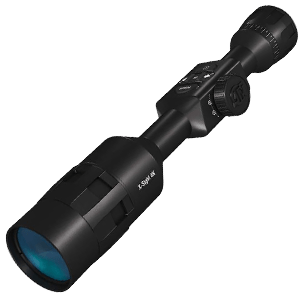
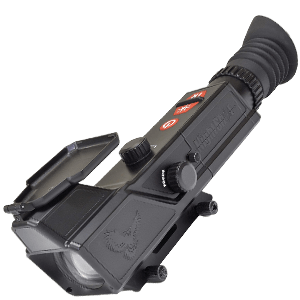
1. ATN X-Sight Pro Smart Day/Night Hunting Scope
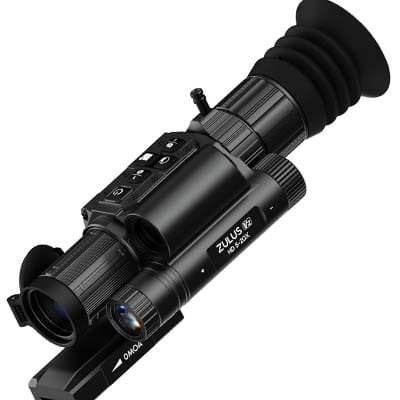
2. DNT Optics Zulus HD V2 Digital Day/Night Vision Scope
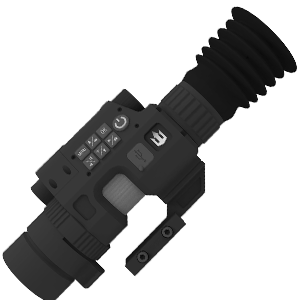
3. Triton StarStrike Gen II 5-20x HD Night Vision Rifle Scope
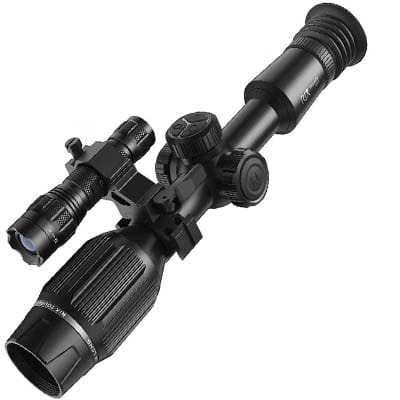
4. RIX Tourer T20 Digital Night Vision Rifle Scope, IP68
5. Night Owl Optics NightShot II Night Vision Rifle Scope
⚖️ Quick Comparison: All 5 at a Glance
| Scope | Type | Key Feature | Waterproof | Best Feature | Best For |
|---|---|---|---|---|---|
| ATN X-Sight Pro | Smart Digital Day/Night | Ballistic Calc + Wi-Fi | Standard | 18+ Hr Battery | Feature-Loaded Hunts |
| DNT Optics Zulus HD V2 | Digital Day/Night | Built-In Rangefinder | Standard | Ballistic Calculator | All-In-One Rig |
| Triton StarStrike Gen II | HD Night Vision | 5-20x Magnification | Standard | Long-Range Reach | Open Field Hunting |
| RIX Tourer T20 | Digital Night Vision | 850nm IR | IP68 | Budget-Friendly | Wet-Weather Hunts |
| Night Owl NightShot II | Night Vision Scope | IR850-NS Illuminator | Standard | Established Brand | Reliable Low-Light Use |
📋 Detailed Product Reviews: Full Breakdowns
1. ATN X-Sight Pro — Best Overall
★ Key Features & Benefits
- High-Resolution Sensor: 3864×2218 resolution delivers a genuinely sharp image rather than the grainy picture associated with older digital night vision.
- Built-In Ballistic Calculator: Computes holdover based on your specific load and distance rather than relying on memorized dope.
- Day/Night Versatility: One scope handles daylight scouting and full-dark predator work without swapping optics.
- Wi-Fi and Video Recording: Stream or record footage of hunts directly, useful for review or sharing.
- Exceptional Battery Life: 18+ hours means multiple long nights of calling and glassing without a mid-hunt recharge.
✔ Pros
- Genuinely sharp, high-resolution image
- Built-in ballistic calculation
- Excellent battery life
- Works day and night in one unit
- Video recording and Wi-Fi connectivity
❌ Cons
- Higher price point than basic night vision scopes
- More features than casual predator hunters may need
- Learning curve to use all smart features effectively
ATN X-Sight Pro — The Feature-Complete Choice
For hunters who want a genuinely modern smart scope rather than a basic night vision unit, the X-Sight Pro delivers on nearly every front — sharp resolution, real ballistic calculation, and enough battery life to actually outlast a long calling session. It’s a strong anchor for a serious predator hunting kit alongside a dependable rangefinder for confirming distance before the shot.
2. DNT Optics Zulus HD V2 — Best Built-In Rangefinder
★ Key Features & Benefits
- Integrated Laser Rangefinder: Range a target without lowering the scope or reaching for a separate device — a genuine advantage in low light.
- Built-In Ballistic Calculator: Combines the ranged distance with your load data to suggest holdover directly in the reticle view.
- Infrared Illumination: Integrated IR extends usable range in complete darkness without a separate illuminator accessory.
- Day/Night Capability: Functions as a standard digital day scope as well as a dedicated night vision unit.
- Streamlined Field Use: Fewer separate devices to manage means less fumbling during an active calling sequence.
✔ Pros
- Genuinely useful integrated rangefinder
- Combined ballistic calculation
- Reduces separate gear needed in the field
- Works day and night
- Streamlines the shot process in darkness
❌ Cons
- Less established brand recognition than ATN or Night Owl
- All-in-one design means more to learn upfront
- Premium pricing for the integrated feature set
DNT Optics Zulus HD V2 — Fewer Devices, Faster Shots
Every extra device you’re juggling in the dark — a separate rangefinder, a mental ballistic calculation — is time and fumbling you don’t get back once a coyote closes distance and turns to leave. Having range and ballistic data built directly into the sight picture keeps your attention where it belongs, on the animal and the shot itself.
3. Triton StarStrike Gen II — Best High Magnification
★ Key Features & Benefits
- Wide 5-20x Magnification Range: Covers both closer calling-distance shots and longer engagements without swapping optics.
- HD Display Clarity: A noticeably sharper image than base-tier night vision, helpful for confirming target identification at range.
- Infrared Illuminator: Extends effective range in full darkness beyond ambient light conditions alone.
- Gen II Technology: Represents a meaningful step up in image quality and low-light sensitivity over entry-level night vision.
- Built for Open-Country Predator Work: The magnification range specifically favors hunters covering large fields rather than tight timber.
✔ Pros
- Excellent magnification range for open terrain
- Sharp HD image quality
- Strong low-light sensitivity
- Versatile from close to long range
- Solid IR illuminator performance
❌ Cons
- Higher magnification can narrow field of view for close, fast shots
- Bulkier than compact fixed-power scopes
- No built-in rangefinder or ballistic calculator
Triton StarStrike Gen II — Reach for the Open Country
Coyotes in open agricultural terrain often hang up at distances well beyond what a timber-hunting setup needs to cover, and this scope’s magnification range is built specifically for that scenario. Pair the extra reach with a dedicated rangefinder to confirm exact distance before committing to a longer shot in low light.
4. RIX Tourer T20 — Best Waterproof/Budget
★ Key Features & Benefits
- IP68 Waterproof Rating: A genuinely high weatherproofing standard, capable of handling submersion, not just splash resistance.
- 850nm IR Illuminator: Standard infrared wavelength that extends usable range in complete darkness.
- Rugged Housing: Built to handle rough handling and outdoor abuse without failing.
- Accessible Price Point: Delivers core night vision functionality without premium-brand pricing.
- Reliable Wet-Weather Performance: A meaningful advantage for hunters who don’t get to pick perfect-weather nights to hunt.
✔ Pros
- Genuine IP68 waterproof rating
- Affordable pricing
- Rugged, durable construction
- Solid 850nm IR performance
- Good value for wet-climate hunters
❌ Cons
- Fewer advanced features than premium smart scopes
- No built-in rangefinder or ballistic calculator
- Less established brand history
RIX Tourer T20 — Built to Handle a Bad-Weather Night
Coyote hunting doesn’t always happen under clear skies, and a scope that can’t handle rain or heavy dew becomes a liability exactly when conditions get tough. The Tourer T20’s genuine IP68 rating and accessible price make it a smart pick for hunters who need dependable performance without paying for features they won’t use.
5. Night Owl Optics NightShot II — Best Trusted Brand
★ Key Features & Benefits
- IR850-NS Illuminator: A dedicated infrared illuminator extends usable range well beyond ambient light alone.
- High-Resolution Display: Delivers a clear enough sight picture for confident target identification in low light.
- Adjustable Rail Mounting: Flexible mounting options accommodate different rifle setups and eye relief preferences.
- Durable Construction: Built to handle repeated field use across multiple seasons.
- Established Brand History: Night Owl Optics has built a long-standing reputation specifically in the consumer night vision space.
✔ Pros
- Long-established, trusted brand
- Solid infrared illuminator performance
- Adjustable rail for flexible mounting
- Durable, field-ready construction
- Reliable image quality for the category
❌ Cons
- No built-in rangefinder or ballistic calculator
- Not a day/night hybrid like some competitors
- Mid-range pricing without premium smart features
Night Owl NightShot II — Proven Name, Dependable Performance
For hunters who’d rather trust a brand with a long track record than gamble on newer, less-established night vision technology, Night Owl Optics has built exactly that kind of reputation over years in the consumer market. It’s a dependable, no-surprises choice for hunters who want solid performance without chasing every new smart feature.
🛒 How to Choose Your Night Vision Scope
Digital Night Vision vs. Traditional Image Intensification
Most modern hunting-oriented night vision scopes, including everything in this lineup, use digital sensors rather than traditional analog image-intensifier tubes. Digital units are generally more affordable, offer day/night versatility, and support features like recording and ballistic calculators, though traditional tube-based night vision can offer certain image characteristics purists still prefer.
Built-In Rangefinder and Ballistic Calculator
Scopes with an integrated rangefinder and ballistic calculator, like the DNT Optics Zulus or ATN X-Sight Pro, streamline the entire ranging-to-shot process into one device — a genuine advantage when fumbling with separate gear in the dark costs you a shot opportunity.
Magnification for Your Typical Terrain
Open agricultural fields and large properties favor higher magnification ranges like the Triton StarStrike’s 5-20x, giving you reach to identify and engage coyotes at distance. Tighter, timbered terrain generally favors lower, wider fields of view for faster target acquisition at closer range. If you’re primarily a daytime hunter looking to add night capability, prism scopes remain an excellent choice for daytime versatility.
IR Illuminator Range and Wavelength
Infrared illuminators extend usable range in complete darkness beyond what ambient moonlight or starlight alone provides. Longer-wavelength IR (closer to 940nm) tends to be less visible to the human eye and some animals than shorter 850nm IR, though 850nm remains extremely common and effective for most predator hunting applications.
Weatherproofing
Predator hunting often means taking whatever weather window is available rather than waiting for ideal conditions. A genuine waterproof rating like the RIX Tourer T20’s IP68 matters significantly more for hunters who regularly deal with rain, heavy dew, or snow than it does for consistently dry-climate hunters.
Battery Life and Power Management
Long calling sessions and extended nights afield demand real battery endurance — running out of power mid-hunt isn’t just inconvenient, it can end the hunt entirely. Look for rated battery life that comfortably exceeds your typical hunt duration, and always carry a backup power source for extended trips.
❓ Frequently Asked Questions
1. Is night vision hunting for coyotes legal in my state?
It depends heavily on where you live. Some states allow night vision and thermal optics for coyotes essentially year-round on private land, others require a specific permit or restrict use to a defined season, and a few states prohibit vision-enhancing devices for predator hunting entirely even where artificial light is allowed. Always confirm current regulations with your state wildlife agency before hunting.
2. What’s the difference between night vision and thermal imaging for coyote hunting?
Night vision amplifies available ambient light and often uses infrared illumination to see in the dark, producing a black-and-white or green-tinted image similar to natural vision. Thermal imaging instead detects heat signatures, working even in complete darkness or through light cover, but typically doesn’t render fine detail the way night vision does.
3. Do I need a built-in rangefinder, or can I use a separate handheld unit?
A separate handheld rangefinder works fine and is often more affordable, but requires an extra step and device to manage in low light during an active calling sequence. A built-in rangefinder streamlines the process at the cost of a higher price point for that specific scope.
4. What magnification is best for coyote hunting?
It depends on your terrain. Open fields and agricultural ground benefit from higher magnification, often in the 5-20x range, for identifying and engaging at distance. Tighter, wooded terrain generally favors lower magnification for a wider field of view and faster target acquisition.
5. How important is waterproofing for a night vision scope?
It matters significantly if you hunt in rainy, humid, or snowy conditions, or simply can’t always wait for a perfectly dry night. A genuine high waterproof rating, like IP68, protects your investment and keeps the scope functional through weather that would compromise lesser-sealed units.
6. Can I use a night vision scope for both coyotes and deer?
Legally, this depends entirely on your state — many states that permit night vision for predator hunting explicitly prohibit its use for big game like deer, even with the same equipment. Confirm species-specific regulations, since permissions for coyotes do not automatically extend to other game. For daytime deer hunting, explore our comprehensive guide on rifle scopes designed specifically for deer hunting to ensure you have the right optics for each application.
🌙 Final Thoughts: See Them Before They See You
Coyotes do most of their moving after dark, and the right night vision scope is what actually puts you in the game during those hours. For a fully-loaded, feature-rich option, ATN’s X-Sight Pro delivers sharp resolution and real ballistic assistance. For streamlined all-in-one functionality, DNT Optics’ Zulus HD V2 builds rangefinding directly into the scope. For open-country reach, Triton’s StarStrike Gen II offers serious magnification. For rugged, affordable reliability, RIX’s Tourer T20 handles bad weather without a premium price tag. And for proven, dependable performance, Night Owl’s NightShot II carries a long track record in consumer night vision.
Whichever scope you choose, confirm your state’s specific night hunting regulations before you head out, and practice with the unit in real low-light conditions before it matters. A night vision scope closes the gap between darkness and opportunity — the rest comes down to preparation and knowing your gear cold before a coyote gives you the shot. Explore our complete guides on rangefinders, spotting scopes, and hunting scopes to build out a complete predator hunting rig.
⚠️ Affiliate Disclosure & Legal Notice: This page participates in Amazon Associates and other affiliate programs. We may earn a small commission if you purchase through our links, at no extra cost to you. Night hunting, artificial light, and night vision/thermal device regulations for coyotes and other predators vary significantly by state, and often differ between private and public land — always confirm current rules with your state wildlife agency before hunting at night with any vision-enhancing device.

Leave a Reply