
Best Hunting Rangefinders: Know Your Distance, Make the Shot
Misjudging range is one of the most common — and most preventable — reasons for a poor shot. A deer that looks like 30 yards from an elevated stand might actually be 38 once you factor in the downward angle, and that difference is enough to send an arrow high or a bullet off the intended point of impact. A quality rangefinder removes the guesswork entirely, giving you an exact number in under a second so you can focus on the shot itself instead of estimating distance under pressure.
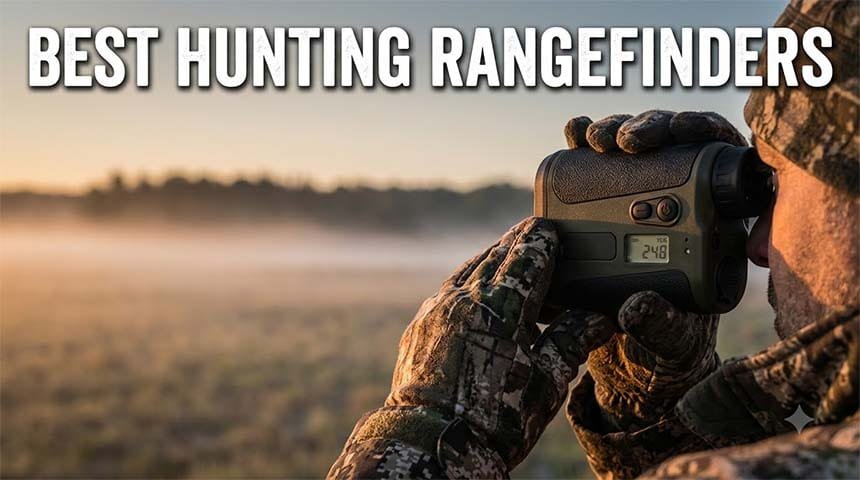
In this guide, we evaluate six rangefinders hunters use in the field — dedicated hunting and archery models, a premium ballistic rangefinder, and one general-purpose option worth understanding before you buy. We compared maximum range, angle compensation, magnification, waterproofing, and how each performs for bow versus rifle hunting. Accurate range matters just as much for a clean hit as your broadhead choice does once the arrow’s in flight.
📏 6 Best Hunting Rangefinders – Quick Overview
Browse all 6 options below. Click “See Details” for comprehensive review and buying guide.
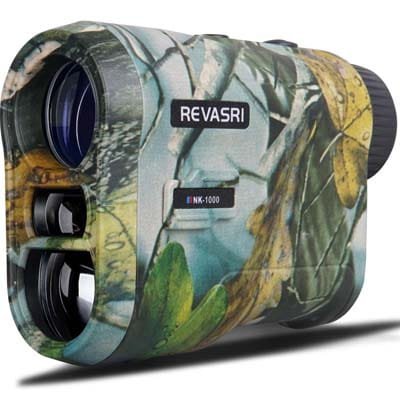
1. REVASRI Hunting Laser Rangefinder, 1000 Yards, Rechargeable
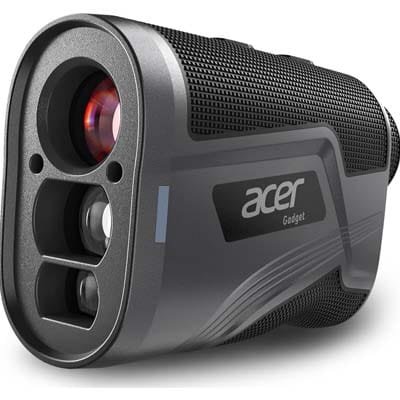
2. Acer Gadget Golf Rangefinder with Slope, 800/1200 Yards
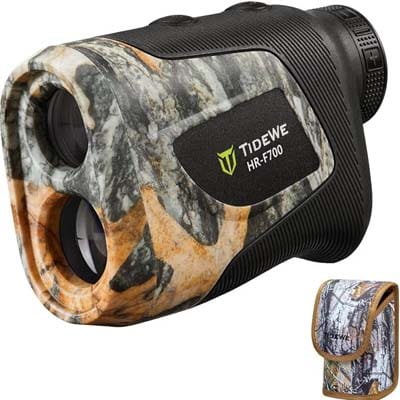
3. TIDEWE Hunting Rangefinder, Rechargeable Camo, 700/1000Y
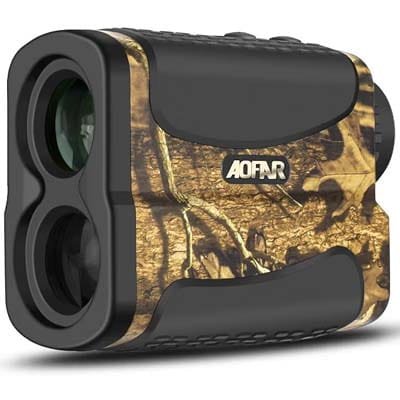
4. AOFAR HX-700N Hunting Range Finder, Archery/Bow Hunting
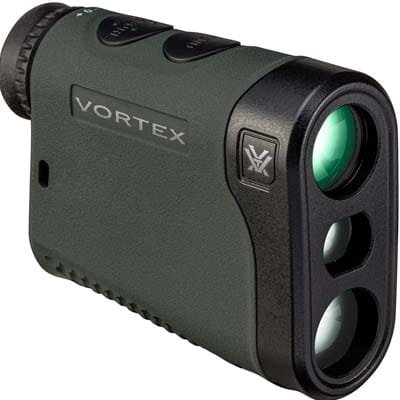
5. Vortex Triumph HD 850 Laser Rangefinder
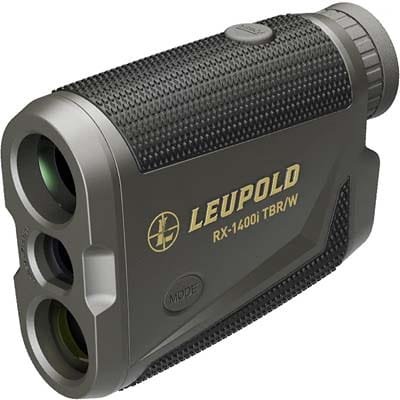
6. Leupold RX-1400i TBR/W Gen 2 with Flightpath
⚖️ Quick Comparison: All 6 at a Glance
| Rangefinder | Max Range | Angle/Ballistic | Power | Special Feature | Best For |
|---|---|---|---|---|---|
| REVASRI Laser | 1000 yds | No | Rechargeable | Target Acquisition Tech | Budget Hunters |
| Acer Gadget Golf | 800/1200 yds | Slope On/Off | Battery | Golf-Focused Design | Golf/Casual Dual-Use |
| TIDEWE Camo | 700/1000 yds | No | Rechargeable | Camo Housing | Dedicated Hunting |
| AOFAR HX-700N | 700 yds | No | Battery Included | Speed Mode | Bowhunters |
| Vortex Triumph HD 850 | 850 yds | No | Battery | HD Optical Glass | Rifle Hunters |
| Leupold RX-1400i | 1400+ yds | True Ballistic Range/Wind | Battery | Bow & Rifle Ballistic Modes | Serious/Premium Hunters |
📋 Detailed Product Reviews: Full Breakdowns
1. REVASRI Hunting Laser Rangefinder — Best Budget Pick
★ Key Features & Benefits
- Rechargeable Battery: No hunting for disposable batteries mid-season, simple USB charging between hunts.
- 1000-Yard Rated Range: Covers far more distance than most hunting shots actually require, with margin to spare.
- Target Acquisition Technology: Helps lock onto the intended target rather than background brush or trees.
- Simple Operation: A straightforward single-button design that’s easy to use quickly under pressure.
- Accessible Price Point: Removes cost as a barrier to owning a dedicated hunting rangefinder.
✔ Pros
- Genuinely affordable
- Rechargeable, no disposable batteries
- Long rated range for the price
- Simple, fast operation
- Good target acquisition for the price point
❌ Cons
- No angle/slope compensation
- No ballistic or bow-specific calculation modes
- Optical clarity below premium brands
REVASRI Laser Rangefinder — Accurate Ranging, Accessible Price
For hunters just starting to build out their optics kit, this rangefinder delivers the core function — fast, accurate distance — without the premium features and pricing of a ballistic-calculating unit. It’s a solid first rangefinder to pack alongside your bow quiver and other essentials.
2. Acer Gadget Golf Rangefinder — Best Dual-Use
★ Key Features & Benefits
- Switchable Slope Mode: Provides angle-compensated distance when needed, and pure line-of-sight distance when slope is switched off — useful since slope-adjusted range is illegal to use in tournament golf but genuinely helpful for elevated treestand shots.
- Long Rated Range: 800-1200 yard capability covers essentially any realistic hunting distance.
- Familiar Operation: If you already use it for golf, there’s no learning curve to bring it hunting.
- Dual-Purpose Value: One device serves two hobbies rather than requiring a separate hunting-specific purchase.
- Honest Limitation: It’s built and optimized for flagstick-sized golf targets, not game animal detection in brush or timber.
✔ Pros
- Genuinely useful slope/angle feature
- Long rated range
- Doubles as a golf rangefinder
- Saves money if you already own one
- Simple, familiar operation
❌ Cons
- Not optimized for ranging game animals in brush or timber
- Lacks hunting-specific target acquisition tuning
- No camo finish or hunting-oriented housing
Acer Gadget Golf Rangefinder — A Reasonable Crossover, With Caveats
To be upfront: this is a golf rangefinder first, and its target-locking algorithms are tuned for flagsticks and open fairways rather than a deer standing in dappled timber shadow. That said, the slope feature genuinely helps with the same angle-compensation problem elevated treestand hunters face, so if you already own one for golf, it’s worth trying before buying a dedicated hunting unit. For serious, regular hunting use, a purpose-built option elsewhere on this list will serve you better.
3. TIDEWE Hunting Rangefinder — Best Camo Design
★ Key Features & Benefits
- Camo Housing: A non-reflective, blended finish that fits naturally into a hunting kit rather than standing out visually.
- Dual Range Modes: Choose between 700 and 1000-yard settings depending on the situation.
- Rechargeable Power: Simple charging between hunts without managing disposable batteries.
- Hunting-Oriented Housing: Grip and button placement designed around field use rather than adapted from another sport.
- Solid Mid-Range Value: Sits between budget and premium pricing with hunting-specific design throughout.
✔ Pros
- Genuinely hunting-specific design
- Camo finish reduces visual flash
- Dual range mode flexibility
- Rechargeable convenience
- Comfortable, purpose-built grip
❌ Cons
- No angle compensation or ballistic calculation
- Optical clarity below premium optics brands
- Mid-range price without premium-tier features
TIDEWE Camo Rangefinder — Built for the Field, Not Adapted to It
Unlike a repurposed golf unit, this rangefinder is designed from the ground up around hunting use — the camo finish alone matters more than it might seem, since a flashing reflective surface can catch a deer’s attention at exactly the wrong moment. A solid middle-ground choice for hunters who want purpose-built gear without premium pricing.
4. AOFAR HX-700N — Best For Archery
★ Key Features & Benefits
- Speed Mode: Measures arrow speed in addition to standard ranging, useful for tuning and confirming setup performance.
- Waterproof Construction: Holds up to rain and wet conditions common during bow season.
- Complete Kit: Includes a free battery and carrying case, ready to use out of the box.
- Archery-Focused Tuning: Built specifically with bowhunting distances and use cases in mind.
- Established Reputation: AOFAR’s HX-700N has built a following specifically among budget-conscious bowhunters.
✔ Pros
- Genuinely useful speed mode
- Waterproof build
- Complete kit with battery and case included
- Archery-specific design focus
- Strong reputation among bowhunters
❌ Cons
- 700-yard range is plenty for archery but modest for rifle hunters
- No angle compensation
- Basic optical clarity versus premium brands
AOFAR HX-700N — A Bowhunter’s Complete Kit
The speed mode here is a genuinely useful bonus that goes beyond simple ranging, letting you confirm your bow’s actual performance rather than relying on the manufacturer’s advertised numbers. Combined with the included case and battery, it’s a ready-to-use kit for archery hunters from the moment it arrives.
5. Vortex Triumph HD 850 — Best Trusted Optics Brand
★ Key Features & Benefits
- HD Optical Glass: Noticeably clearer, brighter sight picture than budget rangefinders, especially in low light.
- 850-Yard Rated Range: Comfortably covers realistic rifle hunting distances with room to spare.
- Established Brand Trust: Vortex has built a strong reputation across its riflescope and optics lineup.
- Durable Construction: Built to the same standard as Vortex’s broader optics catalog, designed for years of field use.
- Warranty Backing: Vortex’s customer support and warranty program is widely regarded as one of the strongest in the optics industry.
✔ Pros
- Excellent optical clarity
- Strong brand reputation and support
- Solid 850-yard range
- Durable, field-tested construction
- Trusted warranty program
❌ Cons
- No built-in ballistic calculation
- No angle compensation mode
- Premium pricing versus basic laser rangefinders
Vortex Triumph HD 850 — Optical Quality You Can See
The difference a clear, bright optic makes is most obvious in low-light dawn and dusk conditions — exactly when a lot of deer movement happens. If you’ve already invested in quality glass elsewhere in your setup, pairing it with a rangefinder from the same optical standard is a sensible next step.
6. Leupold RX-1400i TBR/W — Best Premium/Ballistic
★ Key Features & Benefits
- True Ballistic Range/Wind: Calculates actual holdover accounting for shot angle and wind, not just line-of-sight distance.
- Flightpath Technology: Displays a visual representation of your projectile’s trajectory relative to the target.
- Dedicated Bow and Rifle Modes: Switches calculation profiles depending on which weapon you’re hunting with that day.
- Built-In Angle Compensation: Automatically adjusts for the steep angles common from elevated tree stands.
- Premium Optical and Build Quality: Matches Leupold’s long-standing reputation in the riflescope and optics space.
✔ Pros
- True ballistic holdover calculation
- Dedicated bow and rifle modes
- Automatic angle compensation
- Premium optical clarity
- Trusted, established brand reputation
❌ Cons
- Highest price point in this lineup
- More features than casual or occasional hunters may need
- Slight learning curve to use ballistic modes correctly
Leupold RX-1400i — The Full Ballistic Solution
For hunters who want more than a raw yardage number, this rangefinder essentially does the math for you — factoring in angle and wind to give an actual point of aim rather than a distance you then have to interpret yourself. It’s a genuine step up for hunters serious enough about long-range or steep-angle shots to want that extra layer of calculated confidence, and pairs well with a properly zeroed rifle scope for rifle hunters specifically.
🛒 How to Choose Your Hunting Rangefinder
Maximum Range vs. Realistic Hunting Distance
Most archery shots happen well under 60 yards, and even rifle hunters rarely need to range beyond 400-500 yards in typical whitetail terrain. A rangefinder’s advertised maximum range often reflects ranging a large reflective object in ideal conditions — a deer-sized target in timber will range at a shorter effective distance than the spec sheet suggests.
Angle Compensation for Elevated Stands
A steep downward angle from a tree stand means the actual horizontal distance to the target is shorter than the line-of-sight distance a basic rangefinder reports. Angle-compensating or true ballistic range models correct for this automatically, which matters more the higher and steeper your typical stand setup.
Bow Mode vs. Rifle Mode
Archery-specific rangefinders and modes are tuned around the shorter distances and flatter trajectory assumptions of bow hunting. Premium ballistic rangefinders often let you switch between dedicated bow and rifle profiles, giving relevant holdover data no matter which weapon you’re carrying that day.
Optical Clarity and Low-Light Performance
A rangefinder is only useful if you can actually see and lock onto the target, and this matters most during the low-light dawn and dusk windows when deer move most. Premium optical glass, like Vortex’s HD lenses or Leupold’s optics, delivers noticeably better clarity in exactly these conditions than budget units.
Rechargeable vs. Replaceable Battery
Rechargeable rangefinders are convenient for regular use but require remembering to charge before a hunt. Replaceable-battery units let you carry a spare in your pack for genuinely long trips without power access, which some hunters prefer for backcountry or multi-day situations.
Purpose-Built vs. Repurposed Units
A rangefinder designed and marketed for golf or general use can technically range distance for hunting, but hunting-specific units are tuned for locking onto smaller, camouflaged, and often partially obscured targets in brush or timber — a meaningfully different challenge than an open fairway or flagstick.
❓ Frequently Asked Questions
1. Can I use a golf rangefinder for hunting?
Technically yes, and features like slope/angle compensation can be genuinely useful for treestand hunting. However, golf rangefinders are tuned to lock onto flagsticks and open targets, not partially obscured game animals in brush or timber, so a dedicated hunting rangefinder will generally perform better in actual field conditions.
2. Do I really need angle compensation?
If you hunt primarily from elevated tree stands, yes — the steeper the angle, the bigger the gap between line-of-sight distance and actual horizontal distance to the target, which affects shot placement. Ground blind or flat-terrain hunters have less need for this feature.
3. What’s the difference between a bow rangefinder and a rifle rangefinder?
Archery-focused rangefinders and modes are tuned around shorter typical distances and often include archery-specific features. Rifle-focused or ballistic rangefinders calculate holdover for longer-range, flatter-trajectory shots and may include wind calculation. Premium units often offer both modes in one device.
4. How much range do I actually need for whitetail hunting?
Most whitetail shots, bow or rifle, happen well under 300 yards, and archery shots are typically under 60 yards. A rangefinder rated for 700-1000+ yards provides plenty of margin, so maximum range is rarely the deciding factor between models for typical deer hunting.
5. Is a rechargeable rangefinder reliable for hunting trips?
Yes, for most hunters — a full charge typically lasts well beyond a single hunt or even a full weekend of hunting. For extended backcountry trips without charging access, a replaceable-battery unit with a spare battery in your pack offers more flexibility.
6. Are premium ballistic rangefinders worth the extra cost?
For hunters taking longer-range rifle shots or hunting from consistently steep angles, true ballistic calculation genuinely improves shot confidence and accuracy. For typical whitetail hunting at moderate distances, a standard laser rangefinder without ballistic calculation is often sufficient.
📏 Final Thoughts: Know the Number, Trust the Shot
A rangefinder removes one of the biggest variables in making a clean, ethical shot — guesswork. For budget-conscious accuracy, REVASRI’s laser rangefinder delivers real performance affordably. If you already own one for golf, the Acer Gadget can pull double duty with reasonable results. For a purpose-built hunting design, TIDEWE’s camo rangefinder fits the role naturally. For bowhunters, AOFAR’s HX-700N adds a useful speed mode to standard ranging. For premium optical clarity, Vortex’s Triumph HD 850 delivers trusted glass quality. And for the full ballistic solution, Leupold’s RX-1400i calculates real holdover, not just raw distance.
Whichever you choose, practice ranging realistic hunting targets — brush, timber, deer-sized objects — before the season, not just open ground. A rangefinder is only as useful as your ability to trust the number it gives you in the moment a shot actually presents itself.
⚠️ Affiliate Disclosure: This page participates in Amazon Associates and other affiliate programs. We may earn a small commission if you purchase through our links, at no extra cost to you. Explore our broadhead recommendations and bow quiver guide to round out your bowhunting setup.

Leave a Reply